

Celebrity hairstylist, certified trichologist and NEXXUS® Formulation Co-Creator Kevin Mancuso has seen just how often frizz gets blamed for problems that run deeper. Here, he explains how to tell the difference, which products to reach for, and how to prevent frizz and damage in the future.
I constantly come across people who've been battling frizz for years, trying product after product and still not getting anywhere. More often than not, it's because they're solving the wrong problem. To me, the difference between frizzy hair and damaged hair is clear, but the two are easy to confuse. So people go hunting for a frizz solution when what their hair is really asking for is reconstruction. The good news is that once you can tell the two apart and start caring for the whole fiber instead of chasing one symptom, everything you do next actually starts to work.
Frizz vs. damage: what's really going on
What is frizz?
Frizz, at its core, is an imbalance. Healthy hair proteins behave like tightly coiled springs, but as the fiber dries out and loses its natural lipids, that spring starts to unfold. So when it meets humidity in the air, it doesn't drink that moisture evenly. Some areas swell while others stay dry, and the strand twists and buckles out of shape. That contortion is what you see as frizz.
It's also a matter of shape. Frizz shows up most in hair with an underlying wave or curl. Some people barely get it because their hair is smooth and straight, but the curlier your hair is, the more easily it loses its natural pattern, especially when nothing is protecting it from the moisture that makes it swell.
How is damage different?
Unlike frizz, damage builds slowly through aggressive treatments, harsh handling, too much heat, or chemical processes that go unchecked. Left alone, it advances into a structural breakdown and that's when damage tips into breakage. The hair snaps because the strand no longer has the tensile strength it had before.
Picture the cable holding up a bridge. When it’s intact, it doesn't matter how many cars cross the bridge. But once there are little breaks along the cable, one extra car is enough to make it snap. The bonds are the glue holding hair proteins together. When they are compromised, there are holes in the structure and the whole fiber begins to fall apart.
The at-home test for frizz vs. damage
There's a simple way to tell which one you're dealing with and it comes down to two quick checks you can do at home.
The texture check
Feel a strand when your hair is exposed to moisture or humidity. If it turns dry, wiry, and rough, you're most likely dealing with frizz. What's happening is what we call asymmetric buckling: the strand takes on water unevenly and twists out of shape. So the fix isn't just about adding moisture back, it's about stabilizing the fiber so it handles water evenly.
The elasticity check
Take a single strand while it's wet and gently stretch it. Healthy hair stretches a little and springs back. Damaged hair doesn't. It either keeps stretching like wet chewing gum without bouncing back or it snaps straight away with no give at all. Either response is a sign the internal structure is compromised, which points to damage rather than frizz, and tells you the hair needs rebuilding from the inside.
The best products for frizz control and damage repair
With products, my approach is always the same. It's about caring for the whole fiber, cuticle to core, and returning it to its best possible condition. That's the thinking behind the NEXXUS® range too: rather than treating one part of the hair, it works across every layer. Get that care right first, then move on to styling.
For frizz on its own, start with moisture balance
Controlling frizz is a holistic process. When hair is properly moisturized it stops starving for moisture and a protective layer on top is what keeps frizz from forming. So it works in two parts: balance from within, then seal on the outside.
That's what the NEXXUS® Therappe® & Humectress® collection is built to do. On the inside, it works at the lipid level to replenish what's been lost and keep moisture balanced. On the outside, it reinforces the hair's outer layer, sealing that hydration in and helping guard against frizz. The Therappe® Moisture Shampoo and Humectress® Moisture Conditioner are a great duo to use every day or as often as you need. When hair is more dehydrated or you're dealing with damage, that's when you bring in the Humectress® Hydrating Mask.
From there, styling products are a final step to lock everything in, whether that’s a leave-in cream for definition or a styling gel for hold. But the real frizz protection starts with a well-balanced, well-sealed foundation.
To tackle damage, repair the structure
If someone's frizz is really damage, I start with Keraphix™ shampoo, conditioner, and mask. You can still use the same leave-ins on top. It's about preparing the foundation, bringing the structural integrity back or as close to it as you can get, depending on the damage you're dealing with.
The results can be transformative. A lot of repair focuses on rebuilding bonds alone, but Keraphix goes further, rebuilding the whole fiber from cuticle to core. Even after just one use of the Keraphix™ mask, you'll often see a difference. To go deeper, add the Keraphix™ Liquid Crystallizer Leave-In Treatment on top. It works on two levels, rebuilding the hair's structure from the inside while sealing and reinforcing the cuticle on the outside. That combination is what helps damaged hair rebuild its strength, so it doesn't just look repaired, it moves and styles like healthy hair again.
| If your hair is | Reach for | Why |
| Frizzy but healthy | NEXXUS® Therappe® & Humectress® | Keeps moisture in balance and helps hair resist frizz |
| Damaged or breaking | NEXXUS® Keraphix™ | Rebuilds structure and reinforces the cuticle where damage shows |
The multitasker to layer on top
What makes the MVP Styler™ Multitasking Cream special is that it works with the hair, not against it. It cares for the style as well as the structure. Powered by MVP™ Multi-Verse Polymers, it reinforces the hair's protein architecture, so it smooths the cuticle, protects against heat up to 450°F, reduces friction and helps maintain the integrity of the hair through every pass of the brush, dryer or iron.
The non-stick glide makes blow drying easier and faster and the flexible hold means your style lasts while the hair still moves naturally. A longer-lasting style also means less re-styling the next day.
How to prevent frizz and breakage
Treat wet hair as fragile
Hair is at its most vulnerable when it's wet. That's when it's most prone to both damage and frizz. So timing matters as much as products. Preventing damage isn't only about what you put on your hair, it's about minimizing the time it spends sitting in that wet state. Go to bed with wet hair and, more often than not, you'll wake up to a frizzy, tangled mess.
Protect your hair overnight
If you've got a blowout to protect and you've used harder styling products like hairspray or texture spray, break that down a little before bed. I like to rake a light film of serum through the lengths to soften the polymers that keep the hair stiff. Those are what create the odd folds and creases you'd otherwise have to smooth out with heat in the morning. You can use a little Liquid Crystallizer for this too, though I'd usually save that for clean hair.
The goal is simply to reduce friction, so the hair glides against itself and the pillow instead of roughing up while you sleep. If you're tying your hair up, keep it loose. A top knot is a safe bet, because the more tightly you tie it, the more creases and kinks you’ll create by morning.
More than any single product or trick, it comes back to caring for the whole fiber, cuticle to core. Look after every layer and hair simply becomes more resilient, better able to shrug off the everyday stresses that wear it down over time. Get that right, and telling frizz from damage stops being a guessing game.
FAQs
Is frizzy hair damaged hair?
Not always. Frizz is often just a moisture imbalance in otherwise healthy hair, particularly hair with an underlying wave or curl, where humidity swells the strand and it loses its shape. But frizz can also signal structural damage, where the cuticle is raised and the fiber can no longer hold its natural shape. The two can look alike, which is exactly why they get confused.
How do I know if my hair is breaking or just frizzy?
A quick strand test tells you most of what you need. If a strand feels wiry and contorts when it meets moisture, that points to frizz from a moisture imbalance. If it stretches like wet gum or snaps instantly with no return, that points to breakage, where the internal structure is fractured.
Can damaged hair actually be repaired?
Not completely, but it can be dramatically improved. True damage is permanent, so repair is really a rebuilding: restoring strength and structure, and preventing further breakage, rather than reversing it. With breakage, the priority is to stop it first, then protect the hair from breaking further.
What's the best product for frizzy, damaged hair?
When frizz is really a sign of damage, the priority is repairing the structure, not just smoothing the surface. A reconstructive range like NEXXUS® Keraphix™ works to visibly repair the damage and a leave-in like the Keraphix™ Liquid Crystallizer goes a step further, sealing and reinforcing the cuticle. If the hair is frizzy but healthy, there's no need for heavy repair, and a moisture range like Therappe® and Humectress® is the better place to start.
Does frizz always mean my hair is unhealthy?
No, frizz on its own isn't a red flag. What matters is whether it comes alongside other signs of damage, like hair that feels rough and dry, looks dull instead of shiny, or snaps easily instead of springing back. Those are the real signals that your hair needs repair, not just moisture.
Featured Products


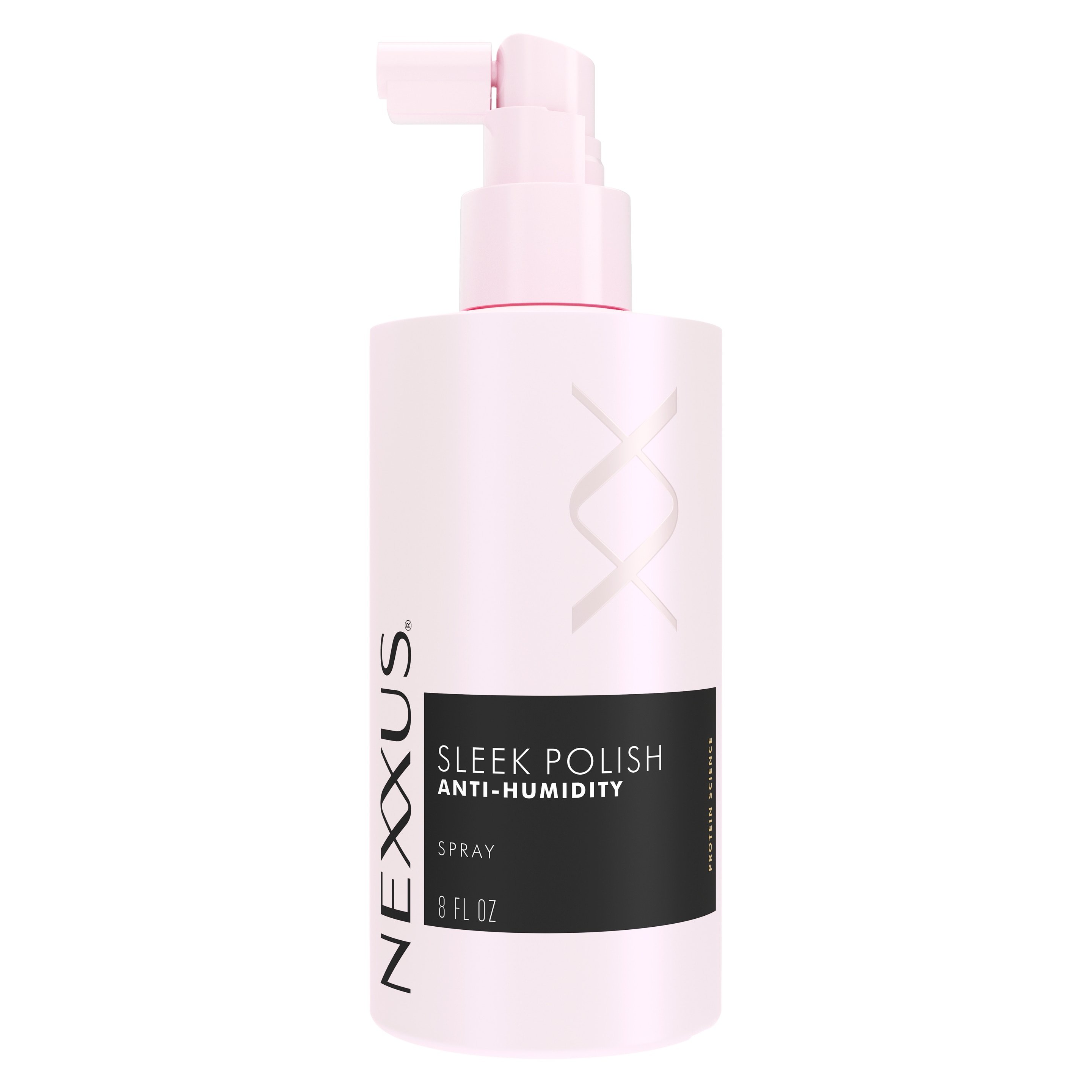
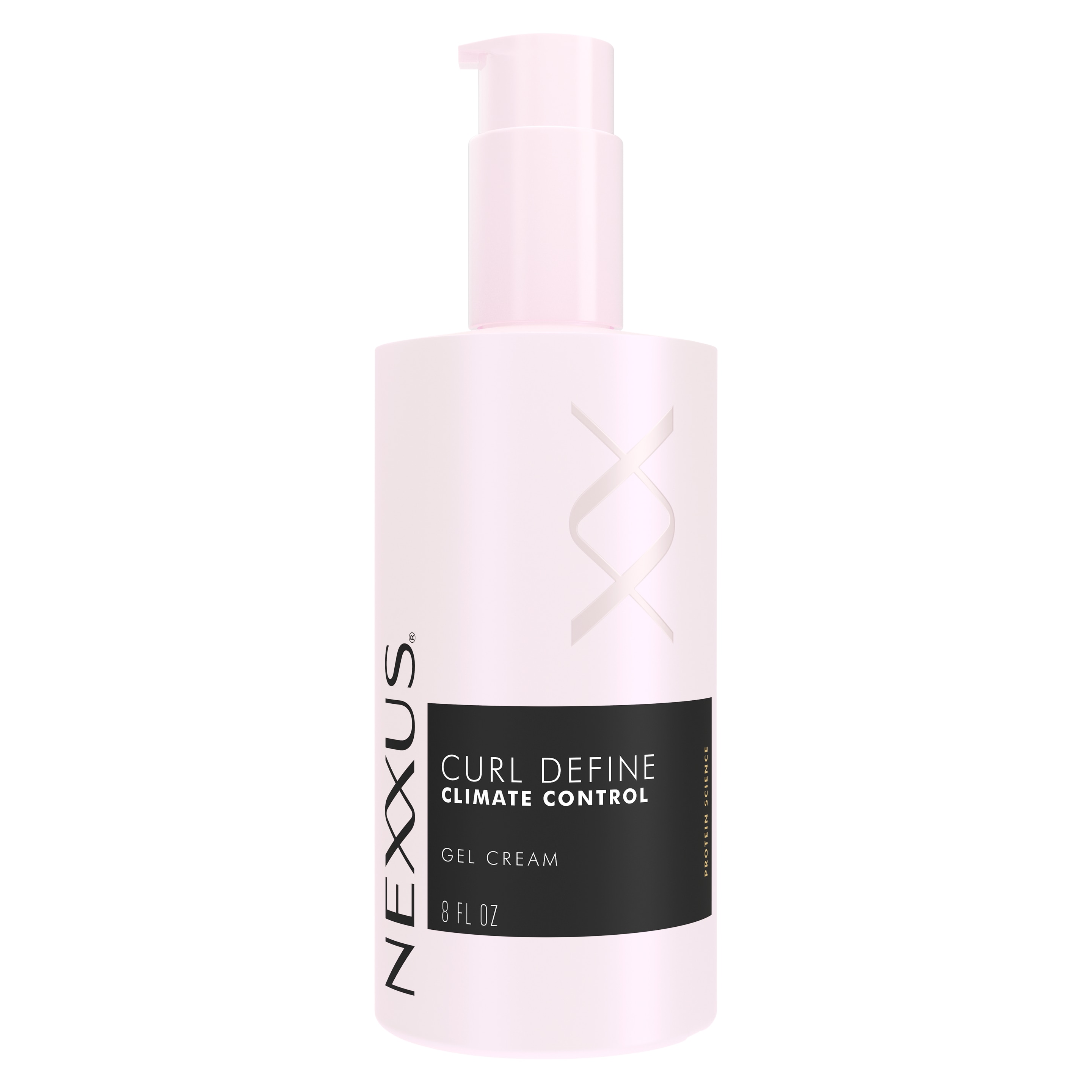
- slide 1
- slide 2
- slide 3
- slide 4