

Achieving healthy, resilient hair often means making smart choices about what your hair truly needs, especially when it has a mind of its own. Some of the most popular choices right now include hair bond-repair treatment and traditional treatments. But what exactly sets them apart?
In this article, we'll take a look at the science behind these two quite different approaches, explore their benefits, and help you decide which is best for your hair type.
What is Bond Repair for Hair?
Bond repair is a deep-level approach to hair care that focuses on rebuilding the internal structure of the hair. Unlike traditional treatments that typically address surface appearance, bond repair works within the hair to support the very bonds that hold it together, helping strengthen it over time rather than simply coating or conditioning the surface.
Your hair is made up of protein chains held together by bonds that give it strength, shape, and elasticity. When enough bonds are disrupted, hair becomes weak, brittle, and prone to breakage. These bonds can break due to:
- Heat styling
- Bleaching and coloring
- Chemical treatments
- Mechanical stress like brushing
How bond repair treatments work at a structural level
Bond-building hair products are designed to work inside the hair fiber, targeting the internal structure rather than just the cuticle that coats it. Most modern bond repair systems focus on supporting and reinforcing weakened hydrogen bonds, which help maintain the hair’s shape, flexibility, and resilience.
By helping to reconnect these severed bonds, the best bond-repair treatments support the integrity of the strand from within. Over time, this can lead to:
- Improved strength
- Better elasticity
- Reduced breakage
Key ingredients used in bond-building products
Contemporary bond-building hair products rely on advanced formulations that mimic and support your hair’s natural protein structure, helping it stay strong and resilient over time.
Many bond-building systems use patented or proprietary ingredients designed to reinforce weakened internal bonds and support structural integrity within the hair fiber.
These also often include:
- Amino acids, the building blocks of proteins such as keratin, which help support the hair’s natural structure
- Bond-building molecules that help reinforce weakened internal connections within the hair fiber
- Conditioning agents that smooth the cuticle surface without simply masking underlying damage
Advanced haircare systems, including AMINO BOND™, the NEXXUS bond-repair collection powered by HYDROLINK BONDER™ technology and a prescriptive blend of five essential amino acids, combine protein research with targeted bond-support technologies to help reinforce weakened hair structures while maintaining overall hair health. So, your hair will feel stronger, smoother and more polished, whichever type it is.
How a hair-strengthening treatment works differently from traditional repair
Bond-repair hair treatments work at a deeper level than traditional care solutions, which often focus on how your hair feels from one wash to the next. Instead, it supports what’s happening inside your hair, helping to make it feel stronger and more resilient over time rather than relying on short-term, cosmetic results.
What is Traditional Hair Repair?
Typically focusing on replenishing moisture and protein within the hair surface, traditional repair treatments help improve texture and manageability. These moisturizing formulas soften strands, improve manageability, and reduce the appearance of dryness.
Protein and keratin treatments
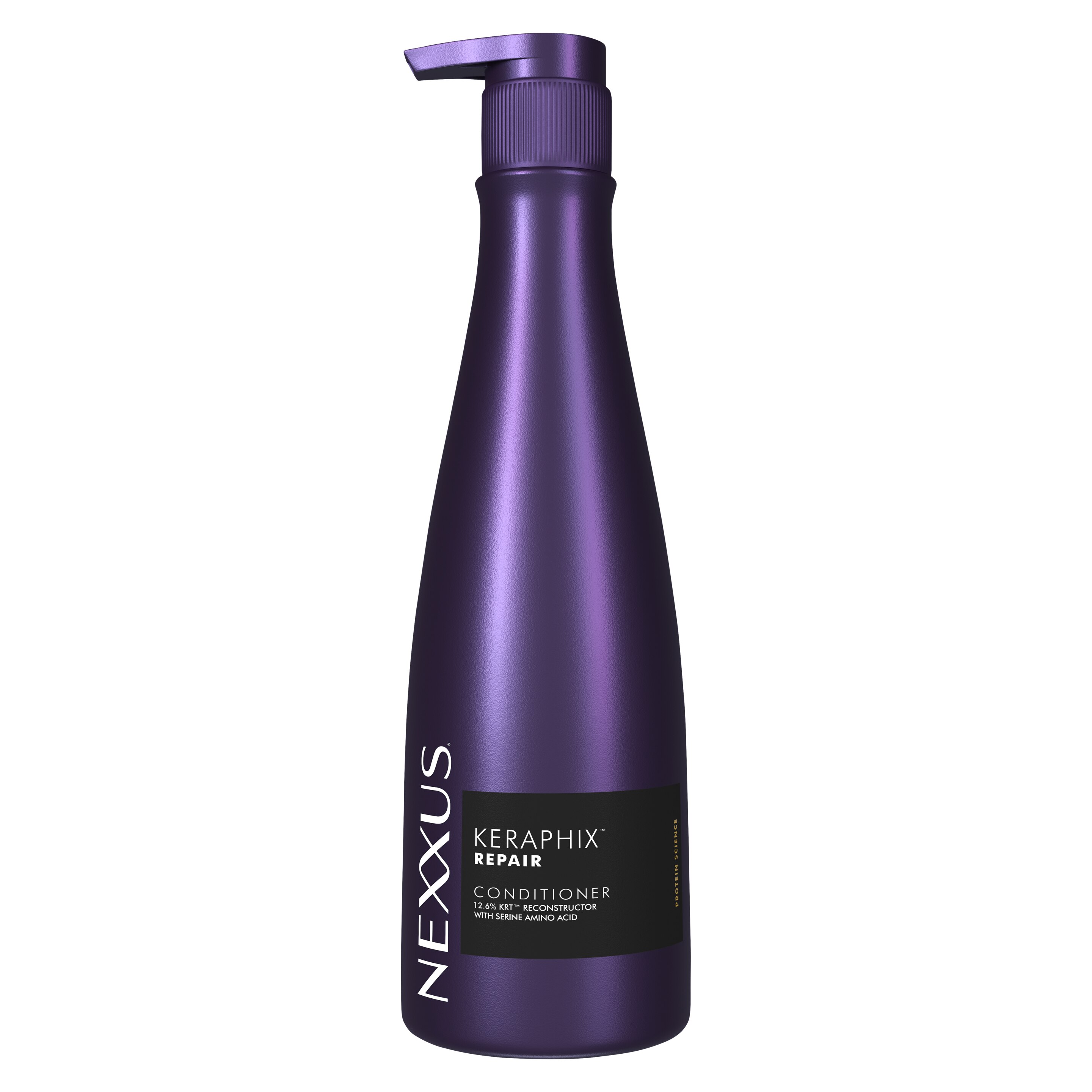
Modern strengthening systems, including the NEXXUS KERAPHIX™ Keratin Protein Hair Collection, are built around advanced technologies such as KRT, which works to help repair damaged hair internally by supporting weakened areas within the fiber.
In addition to internal reinforcement, cuticle-supporting actives help fill gaps along the hair’s surface, while glycerin delivers softness and elasticity, ensuring hair feels smoother and more flexible as it becomes stronger.
ALSO SEE: Keratin Treatment Benefits For Every Hair Issue
What traditional repair can and cannot fix
If you're looking to maintain healthy hair and address minor surface-level damage, many repair systems can help improve:
- Dryness
- Rough texture
- Lack of shine
However, when hair has been weakened internally from repeated heat styling or chemical processing, surface conditioning alone is not enough. Strengthening systems that support the hair’s internal structure, including technologies powered by amino acids and bond-reinforcing actives, are designed to help improve resilience from within.
The key difference is not “traditional” versus “bond repair,” but how deeply the formula works within the hair fiber and which structural elements it is designed to support.
What it won't do is rebuild broken internal bonds, making bond repair a better choice for deeper structural damage.
When hydration-focused repair works well
Moisture-replenishing repair systems remain essential for:
- Daily conditioning routines
- Maintaining softness and manageability
- Supporting hair between more intensive treatments
For example, formulas powered by Polysoft Hydrator with Tri-Lipids help restore hair’s ability to retain moisture by replenishing the outer lipid layer while supporting internal strength. This makes them ideal when hair needs smoothness, flexibility, and shine without feeling weighed down.
At a Glance: Bond Repair vs Traditional Repair
Information overload? Remember, bond repair targets internal structure, while traditional repair focuses on surface condition and hydration. Here’s a quick reference chart:
|
|
Bond repair |
Traditional repair |
|
Area of support |
Works inside the hair fiber |
Works on the outer layer |
|
Result duration |
Builds strength over time |
Delivers immediate softness |
|
Results timeline |
Progressive structural results |
Immediate cosmetic improvement |
Which Hair Types Need Bond Repair Most?
Color-treated hair. Coloring is the number one source of structural stress for many. Even when hair looks glossy, repeated coloring can weaken internal bonds and disrupt the hair’s protein structure over time. If your strands feel drier, less elastic, or harder to manage than they used to, color damage may be part of the reason.
Bleached or chemically treated hair. Chemical processing weakens internal bonds, making this hair type one of the most in need of structural repair.
Heat-damaged hair. Frequent use of hot tools gradually breaks down the hair’s internal structure, leading to reduced elasticity and increased breakage.
Over-processed or weakened strands. Hair that has undergone repeated treatments often shows cumulative damage that cannot be fully addressed by surface-level care alone. Bond repair is crucial for rebuilding and fortifying the hair for healthy, strong locks.
How to Choose the Right Hair Repair Treatment for You
In the end, it all comes down to the condition of your hair. Hair that is chemically treated, over-processed, or prone to breakage benefits most from bond repair, while simple dryness alone can often be managed with traditional care.
Use bond repair for structural damage and traditional repair for moisture and maintenance.
Signs your hair needs bond repair:
- Breakage during brushing or styling
- Loss of elasticity
- Damage from bleaching or chemical processing
Signs your hair needs moisture or protein:
- Dryness without significant breakage
- Frizz and rough texture
- Dull or flat appearance
LEARN MORE: Custom Crafted Haircare for Different Hair Types
You can also combine both these approaches for best results. A balanced routine often delivers the strongest results. Bond repair helps rebuild internal strength, while traditional care supports softness, smoothness, and manageability.
In real life, this can be as simple as adjusting your routine to match your week. On a quieter evening, when you have a bit more time to yourself, reach for a bond repair mask to help reinforce your hair’s internal structure. Then, on busier days when you just need your hair to look and feel good without the extra steps, a traditional wash and condition routine can help restore softness, smoothness, and manageability.
How NEXXUS Approaches Advanced Hair Repair
NEXXUS takes a research-driven approach to hair care, using advanced protein science to create formulas that work with your hair’s natural structure. The result is targeted repair that helps your hair feel stronger, more manageable, and ready for whatever your day brings.
For deeper structural damage, we offer advanced haircare systems, including AMINO BOND™, the NEXXUS bond-repair collection powered by HYDROLINK BONDER™ technology and a prescriptive blend of five essential amino acids.
At the same time, strengthening-focused systems like NEXXUS KERAPHIX™ are powered by KRT technology, which helps reinforce weakened areas within the hair fiber, supporting internal structure rather than simply coating the surface.
Moisture-focused systems, like NEXXUS THERAPPE & HUMECTRESS, using Polysoft Hydrator with Tri-Lipids, help replenish the outer lipid layer to maintain hydration and softness. Together, this layered approach supports both internal strength and surface smoothness, addressing multiple hair needs within a complete care system.
Discover how NEXXUS repair systems combine advanced ingredients, bond technology and protein science to support stronger, more resilient hair from the inside out.
FAQs
What is bond repair for hair?
Bond repair for hair is a treatment designed to support and reinforce weakened internal bonds within the hair fiber, helping improve strength and resilience over time.
Is bond repair better than traditional repair?
Bond repair is better suited to structural damage, while traditional repair is ideal for hydration and maintenance. Each approach serves a different purpose depending on the condition of the hair.
Can you use bond repair and traditional repair together?
Yes, both can be used together. Bond repair strengthens the internal structure, while traditional repair maintains moisture and softness, creating a more balanced and effective hair care routine.
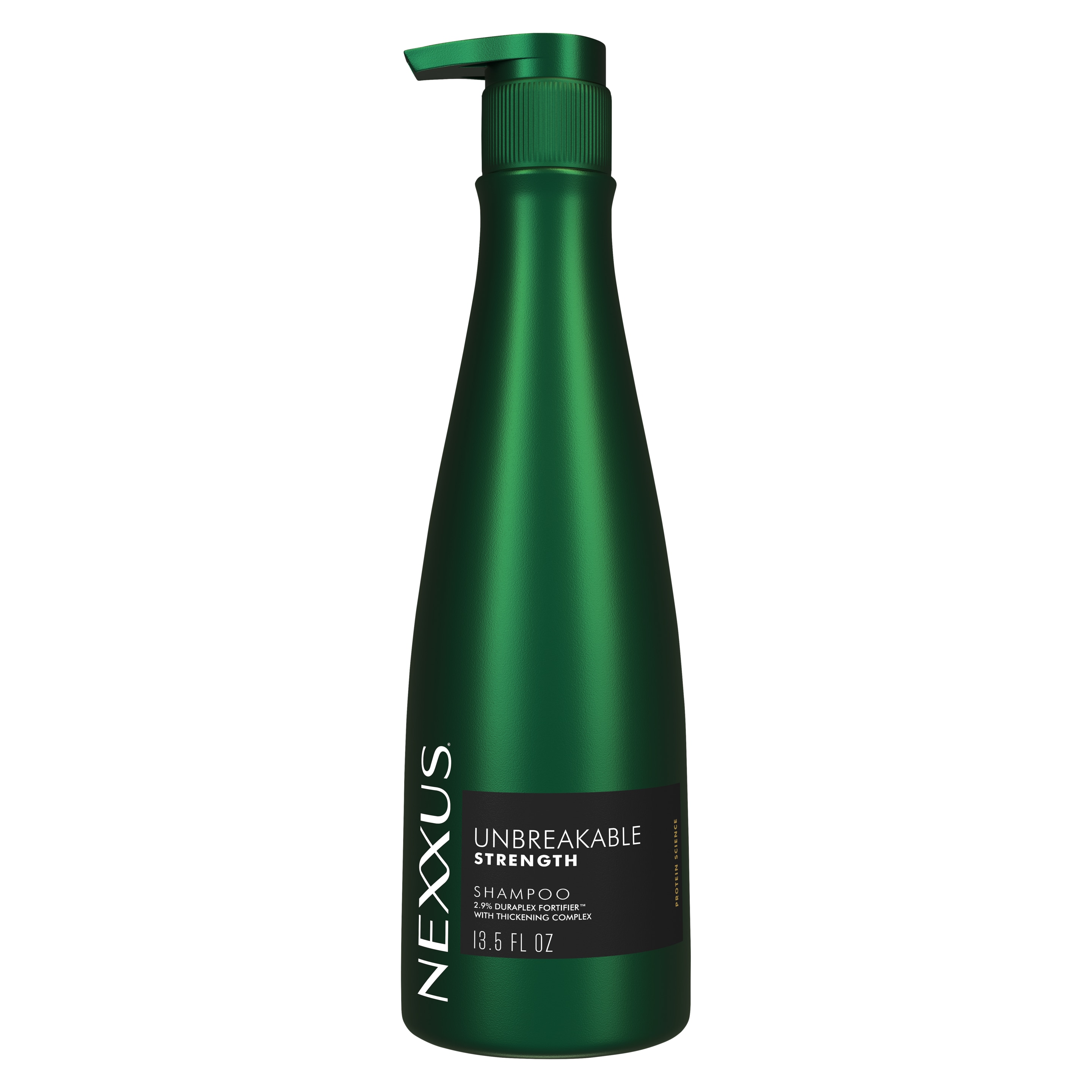
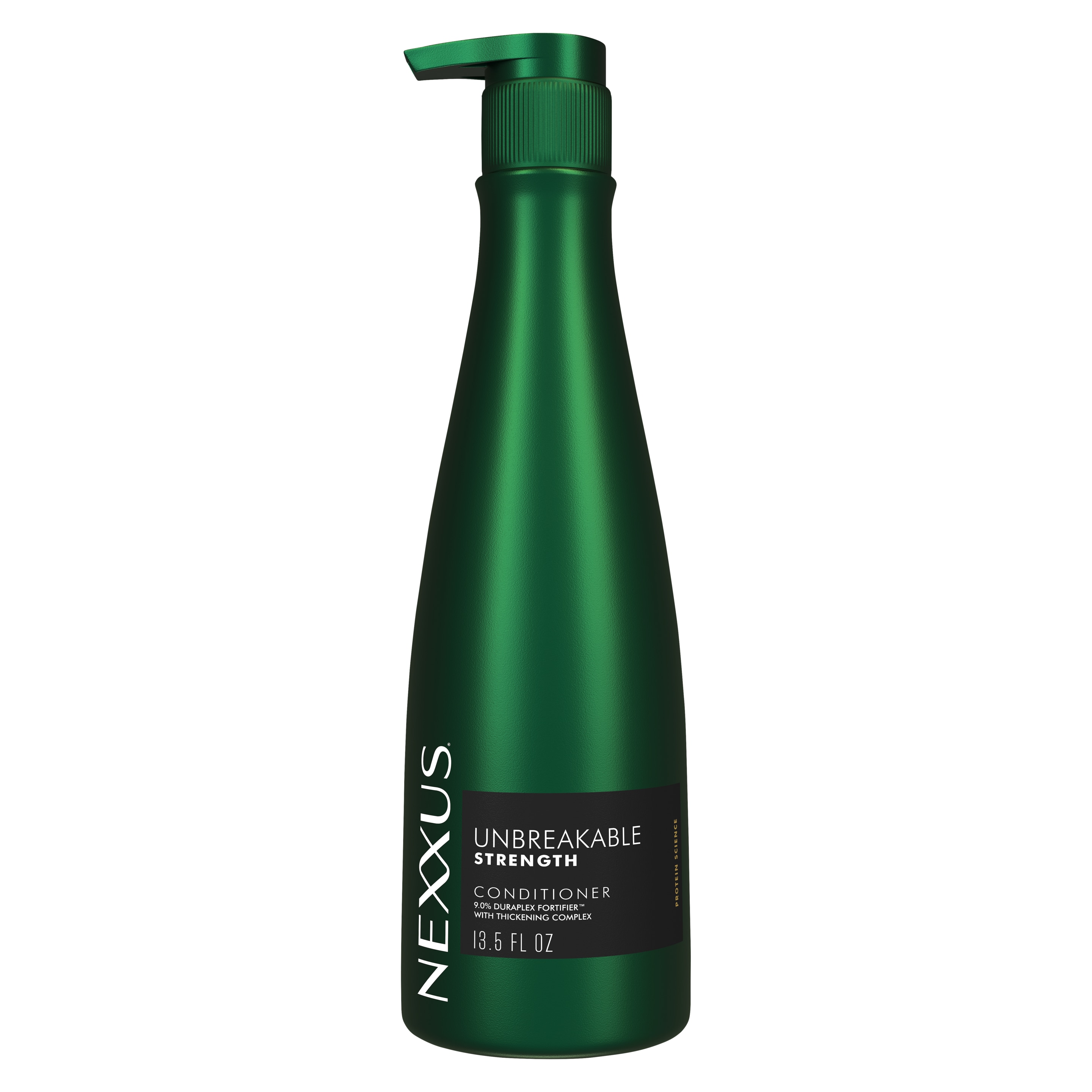
Featured Products


Related Articles


- slide 1
- slide 2
- slide 3
- slide 4