
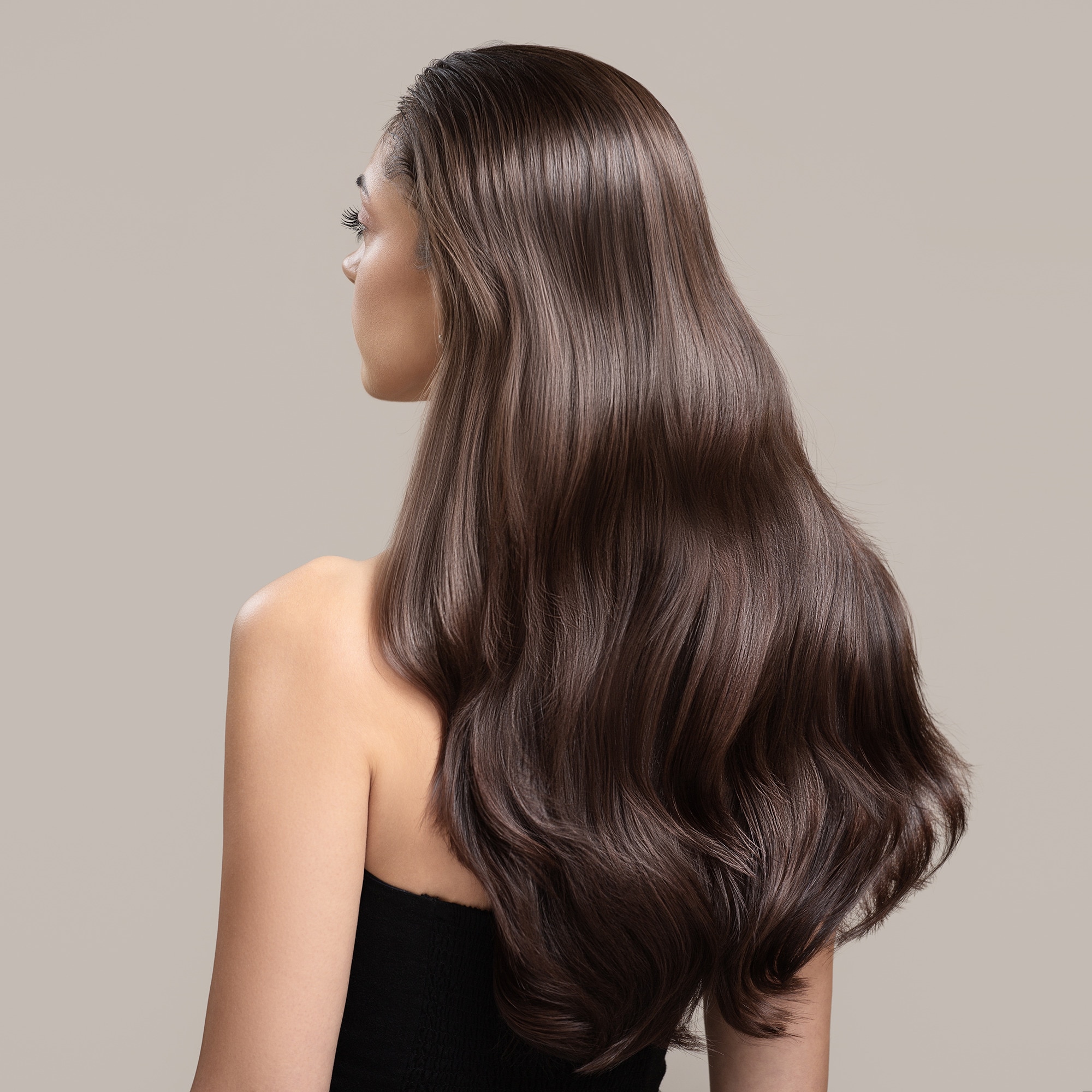
If your hair feels dry one day, limp the next, and never quite right, the good news is that you’re not alone. Understanding protein vs moisture for hair is key to solving some of the most common hair concerns, from breakage to frizz, to lack of movement.
At its core, healthy hair craves balance. Protein supports structure and strength, while moisture ensures flexibility and softness. When one outweighs the other, hair can quickly become brittle, weak, or difficult to manage. The good news is that once you know what your hair needs, restoring that balance becomes much more straightforward.
How to know if your hair needs protein or moisture
In short, protein strengthens and rebuilds the hair’s internal structure, while moisture improves flexibility and hydration. Both are essential and an imbalance between them is what causes most visible damage.
|
Protein |
Moisture |
|
Strengthens hair structure |
Improves elasticity and softness |
|
Repairs damage within the fiber |
Hydrates and smooths the cuticle |
|
Prevents breakage |
Reduces dryness and frizz |
|
Can cause stiffness if overused |
Can cause limpness if overused |
The role of protein in hair structure (keratin support)
Hair is primarily made of keratin, a structural protein that gives your locks their strength. When hair is damaged through processes like heat styling, coloring, or environmental stress, this structure weakens. Protein helps reinforce these areas, filling gaps along the hair fibers and improving resilience.
The role of moisture in hair flexibility and softness
Moisture keeps hair flexible. It allows it to stretch and return without snapping, which is essential for preventing hair breakage. Hydrated hair also appears smoother, shinier and easier to manage because the cuticle — which resembles fish scales when seen under a microscope — lies flatter, holding the moisture inside.
Why your hair needs both to stay healthy
Protein without moisture can leave hair stiff and brittle. Moisture without protein can leave it overly soft and prone to breakage. True hair health comes from maintaining the right balance between the two.
What does protein do for hair?
Protein plays a critical role in repairing and reinforcing weakened hair, especially when it has been exposed to repeated stress.
How protein strengthens damaged hair
When hair is damaged, its internal structure becomes compromised. A well-formulated protein treatment for hair helps reinforce these weakened areas, improving strength and reducing breakage over time.
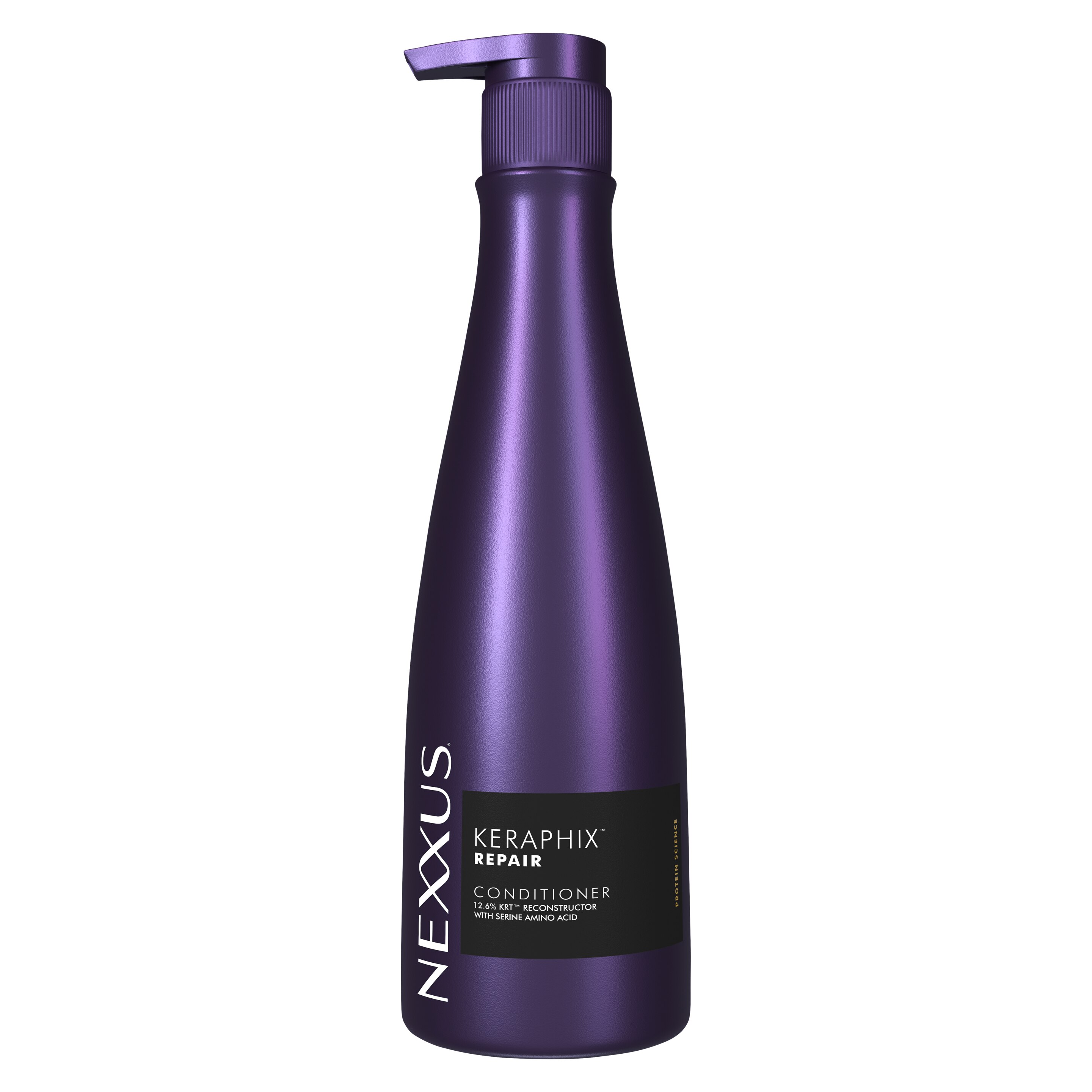
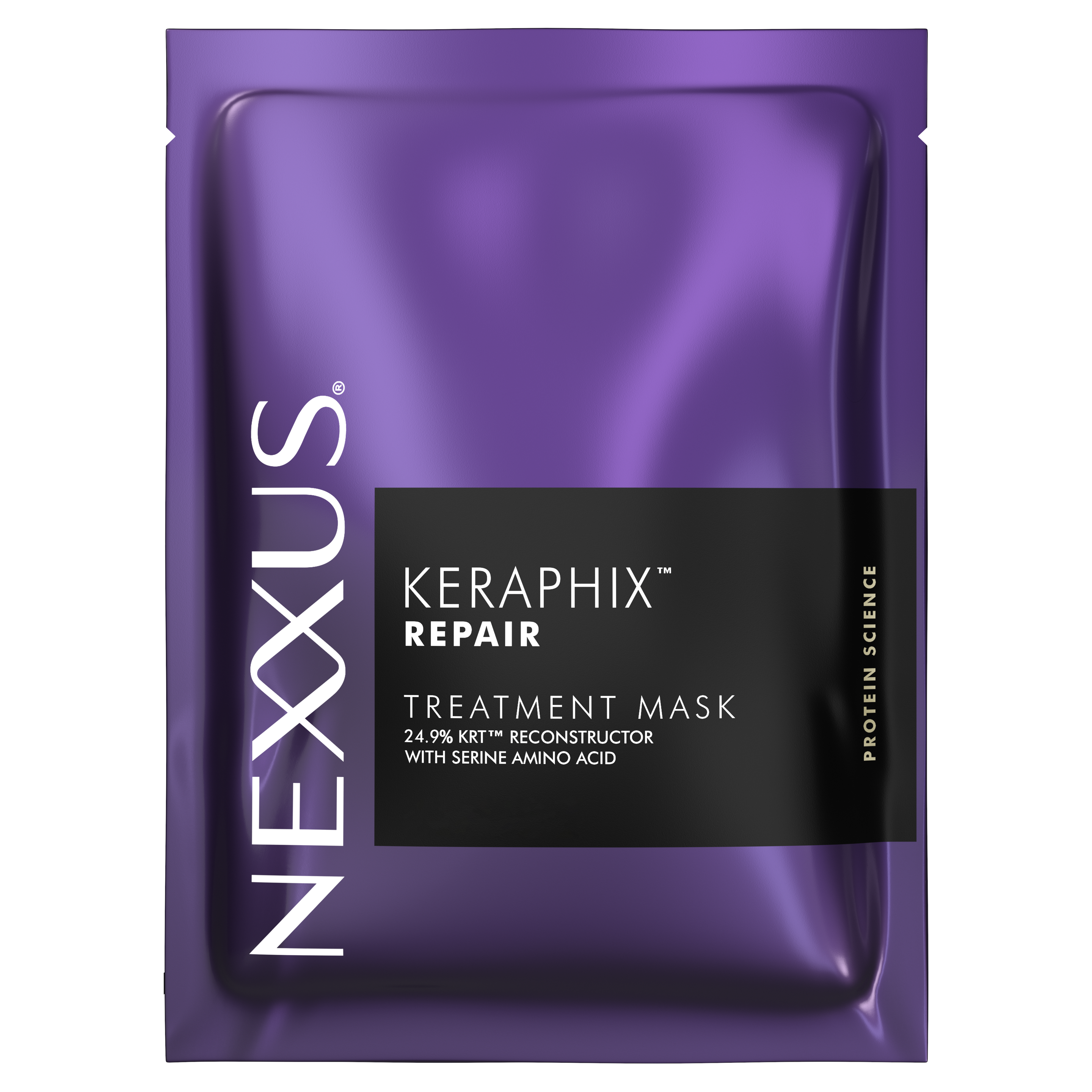
Advanced systems like KERAPHIX™, powered by KRT™ Keratin Resistance Therapy with liquid crystal amino acids, are designed to reconstruct bonds from cuticle to cortex. This helps restore structural integrity while maintaining fluid movement within the hair fiber.
Types of protein used in hair treatments
Modern formulations often include:
Amino acids mimic natural hair proteins. Advanced systems like AMINO BOND™, our bond-repair collection powered by HYDROLINK BONDER™ technology and a prescriptive blend of five essential amino acids, are designed to reform hydrogen bonds at the core of the hair.
Keratin-based complexes for structural repair. Keratin-focused technologies help reinforce the hair’s internal framework, particularly in areas weakened by chemical or heat damage. KRT™ Keratin Resistance Therapy, a core component of the KERAPHIX™ regimen, works from cuticle to cortex to help reconstruct bonds and improve resilience.
These ingredients work together to rebuild the hair from within while improving its overall condition.
When protein treatments are most effective
Protein treatments are especially beneficial for:
- Color-treated or chemically processed hair
- Heat damage
- Hair that breaks easily or lacks strength
Why dry hair needs consistent hydration
Dry hair lacks the internal moisture needed to stay flexible. The best moisture treatment for dry hair works by binding hydration within the hair fiber and restoring softness over time.
Technologies like POLYSOFT HYDRATOR™, found in our HUMECTRESS® range, use tri-lipids and glycerin-powered hydration to target dry areas, bind moisture deep within the hair, and improve elasticity for smoother, more manageable results.
How to know if your hair needs protein or moisture
Signs your hair needs protein
- Breakage
- Weak, stretchy strands
- Over-processed damage
Signs your hair needs moisture
- Dryness
- Frizz
- Lack of shine
Quick test to identify imbalance
Stretch a damp single hair gently:
- If it snaps quickly, it likely needs protein
- If it stretches excessively and doesn’t return, it likely needs moisture
- If it stretches and returns, your balance is on track
What is protein overload and how do you fix it?
While protein strengthens hair, too much can reduce flexibility. This leads to rigidity, making it more prone to snapping instead of bending.
Signs of protein overload in hair
- Hair feels stiff or rigid
- Increased brittleness
- Rough, straw-like texture
How to restore balance with moisture treatments
Reintroducing moisture is key. Hydrating systems help soften the hair fiber, restore elasticity, and rebalance the protein-moisture ratio. Got a quiet night planned? Take the opportunity to apply a deep conditioning mask. These bind moisture within the hair to help reverse the effects of excess protein and improve overall manageability.
How imbalance shows up across different hair types
Different hair types respond differently to protein and moisture imbalances. Variations in texture, density, and chemical processing mean that the same underlying issue can show up as frizz, limpness, dryness, or breakage depending on your hair type. For instance:
- Curly hair often loses moisture quickly, leading to frizz and reduced curl definition.
- Fine hair can become weighed down with too much moisture or feel fragile when lacking protein.
- Coarse textures typically need more moisture to stay soft and manageable.
- Hair that has been colored or chemically processed often requires both protein and moisture to maintain strength and flexibility.
Discover our full range of products for different hair types.
How to balance protein and moisture in your routine
Incorporating targeted hair strengthening products for damaged hair alongside hydrating treatments helps maintain both resilience and flexibility over time. You can do so by:
Alternating treatments. Switch between protein and moisture treatments based on your hair’s condition rather than following a fixed schedule.
Varying masks and daily conditioners. Masks deliver intensive treatment, while conditioners help maintain daily balance.
Building a weekly hair care routine. A balanced routine may include a protein treatment to reinforce structure, a moisture mask to restore hydration and regular conditioning to maintain results.
Leveraging NEXXUS science for balanced and resilient hair
NEXXUS scientists study hair at a molecular level, using proteomic insights to develop formulations that address both structural damage and hydration needs with precision.
This is why we are able to bring you advanced systems like KERAPHIX™ that focus on bond reconstruction and strengthening, while HUMECTRESS® targets deep hydration and elasticity. Together, these technologies support a balanced approach to hair care, paving the way for hair that feel stronger, smoother, and more resilient over time.
Discover how the ingredients in NEXXUS haircare products help rebalance protein and moisture levels to support stronger, more flexible, and visibly healthier hair.
FAQs
How do I know if my hair needs protein or moisture?
Look at how your hair behaves. Breakage and weakness suggest a need for protein, while dryness and frizz indicate a need for moisture.
What happens if you use too much protein on your hair?
Excess protein can make hair stiff, brittle, and more prone to breakage due to reduced flexibility.
Can you use protein and moisture treatments together?
Yes. The goal is to achieve balance by alternating or combining treatments that help to maintain both strength and elasticity.
Featured Products


Related Articles

- slide 1
- slide 2
- slide 3
- slide 4