Damaged Curly Hair: Signs, Causes and the Protein Science Behind the Best Ways to Repair It
Repairing damaged curly hair needs more than intense moisture to recover properly. It requires understanding the fiber itself at a structural level.
Hair is built from keratins (the main structure) and keratin-associated proteins (the "glue" that holds it together). Curly and straight hair have different amounts of these.
Effective repair means strengthening weakened bonds, restoring elasticity and improving moisture retention, without flattening the curl pattern with build-up or products that are too dense to let curls move.
By combining targeted bond repair, lightweight hydration and curl-supportive styling techniques, it’s possible to achieve soft, strong and defined curls while still maintaining natural movement, shape and bounce.
How Can You Tell If You Have Damaged Curly Hair?
Healthy curls are naturally flexible, springing easily back into shape while retaining moisture between wash days. If you feel like you have damaged curly hair, you may notice subtle shifts in that balance; hair can feel less smooth to the touch, lose definition more quickly or be more fiddly to detangle.
One of the most noticeable signs is when curls feel persistently dry, even after moisturizing. This often occurs when the hair’s cuticle becomes slightly lifted, allowing hydration to escape more easily. Over time, curls may also appear less elastic, stretching further without fully returning to their natural shape. This is your signal to help restore their strength, resilience and bounce.
Other common signs include:
- Increased breakage during detangling or styling
- Excessive frizz and uneven texture
- A dull appearance caused by roughened cuticles, which scatter light
- Weak curl clumping and inconsistent pattern formation
- Rough or frayed ends
If your curls no longer feel soft, flexible or resilient, it may help to understand how to treat split ends and prevent breakage before damage travels further up the hair shaft.
Pro tip from the NEXXUS® Protein Scientists: To assess your hair's elasticity, gently stretch a damp curl. If it extends slightly before springing back into place, it's healthy. If it snaps quickly or stretches excessively without recovering its original shape, it's a sign of damaged curls; both signal that the internal protein structure has been compromised.
What Causes Curly Hair Damage?
Curly hair becomes damaged more easily because the strands bend and twist, leaving curls more exposed to dryness, friction and breakage over time. Repeated heat styling, friction, product build-up and chemical processing can gradually weaken the cuticle and internal protein structure that gives curls their shape and spring.
Why Curly Hair Is More Vulnerable to Damage
Curly strands bend and twist along the hair fiber, which naturally lifts sections of the cuticle instead of allowing it to lie completely flat. This uneven surface makes it harder for natural oils to travel from root to ends.
Because the cuticle is already more raised, curls also lose moisture faster than straighter hair types. That loss becomes even more noticeable when heat styling, coloring or aggressive handling weakens the strand further. Curls often need a different balance of moisture, protein support and cuticle protection compared to straight hair, as we've explored in our guide to the shampoo for different hair types.
Another challenge is shine. Where smooth hair reflects light evenly, a roughened curl surface scatters it, which is why damaged curls can look dull or frizzy even when they still feel moisturized. Curl memory suffers too: once protein depletion starts weakening the strand's internal structure, curls stop clumping properly and become harder to define.
Healthy curls rely heavily on elasticity and curl memory to maintain their shape. Once protein depletion starts weakening the inner structure, curls often stop clumping properly and become harder to define.
5 Common Causes of Curly Hair Breakage
1. Heat styling is one of the biggest culprits. Heat-damaged curly hair has weakened keratin bonds, disrupted elasticity and even an altered curl pattern over time.
2. Friction from rough towels, cotton pillowcases and aggressive brushing can increase curly hair breakage, especially when curls are wet and more vulnerable to stretching and snapping.
3. Heavy butters, silicones, waxes and excessive layering can create build-up on the strand, weighing curls down and preventing moisture from properly penetrating the cuticle.
4. Bleaching, coloring, relaxers and other chemical treatments weaken the protective outer layer of the hair, leaving the inner cortex more exposed.
5. Repeated styling, brushing and environmental stress can gradually weaken the protein structure and deplete amino acids that help curls remain strong, flexible and resilient. This is why Nexxus focuses on targeted protein reconstruction in addition to surface-level conditioning.
The Protein Science of Repair: How Bond Treatments Help Curly Hair
Since 1979, the Nexxus team of protein science experts have studied proteomics and the specific amino acids that are compromised when hair gets damaged. Hair is made up primarily of protein, which gives each strand its structure, strength and flexibility. Inside the fiber, protein chains are connected by bonds that help curls stretch, spring back and maintain their shape. As Nexxus scientist Anne Marie Brangi explains, “It comes down to proteins. Hair is built from keratins (the main structure) and keratin-associated proteins (the "glue" that holds it together). Curly and straight hair have different amounts of these.”
Bond treatments for curly hair work by reinforcing weakened areas inside the hair fiber rather than simply coating the surface. This is especially important for curls, where repeated heat styling, friction, coloring and moisture loss can weaken elasticity and disrupt the curl pattern itself.
By helping to restore internal structure while supporting smoother cuticles, bond repair treatments improve strength, flexibility, softness and long-term curl resilience without creating the heavy build-up that can flatten curls.
What Is a Bond Treatment for Curly Hair?
Bond repair treatments work within the strand to reinforce weakened areas and support the hair’s internal structure.
The Nexxus Keraphix collection features KRT™ KERATIN RESISTANCE THERAPY with serine amino acid, designed to reconstruct weakened bonds from cuticle to cortex. The Keraphix Liquid Crystallizer Reconstructive Leave-In Treatment is powered by revolutionary technology that helps support strength, elasticity and resilience from within while keeping hair fluid, allowing curls to retain movement and bounce more naturally.
How Bond Repair Helps Restore Curl Pattern
Nexxus KERAPHIX KRT™ technology works to repair bonds on inside and outside of the strand for hair that becomes 34x stronger (vs. non-conditioning shampoo) in one use. 34x stronger curls are more resilient to everyday stress — detangling, styling and undone updos — hair is less likely to break, keeping curls smoother, defined and easier to manage.
Bond Repair vs Traditional Repair
Many traditional repair products focus mainly on making hair feel softer temporarily by coating the outer surface. While that can improve slip and smoothness short term, it does not always address the weakened internal structure causing ongoing fragility and loss of curl definition.
The Nexxus Bond repair systems take a different approach by reinforcing damaged areas within the strand itself, helping curls recover strength and elasticity more effectively over time.
| Nexxus Keraphix Bond Repair | Traditional Repair |
|---|---|
| Repairs both internal (cortex) and external (cuticle) structure | Mainly coats surface |
| Improves elasticity | Hair feels weighed down |
| Helps curls recover pattern | May not restore bounce |
| Supports long-term resilience with repeated use (hair becomes stronger, more resistant to breakage) | Temporary softness. Results don’t last |
For a more in-depth breakdown of the difference between internal reconstruction and surface-level conditioning, see our article on bond repair vs traditional repair treatments.
The Nexxus Keraphix Liquid Crystallizer Reconstructive Leave-In Treatment brings next-generation KRT technology to achieve the best of both internal bond reconstruction and external cuticle strengthening to build resilience and resistance to damage with continued use.
Adding Moisture to Dry, Damaged Curly Hair Without Losing Volume
Many rich moisturizers, oils and butters can sit on the surface of the hair rather than fully supporting the structure within. While curls may feel instantly softer, heavier layers can sometimes weigh down movement, reduce definition and affect overall moisture balance over time. Similarly, wax-rich stylers or layering multiple creams can lead to build-up, which may limit how evenly hydration is absorbed and leave curls feeling less flexible.
When build-up accumulates, curls may not cluster or “clump” as easily, which can impact their bounce and shape between wash days. You might notice curls falling less uniformly or losing their definition more quickly. In some cases, hair can feel coated on the surface while still needing hydration underneath — signaling an opportunity to rebalance your routine.
Healthy curls thrive on the right balance of hydration and internal support, so the hair fiber can retain moisture more effectively and maintain soft, defined and naturally bouncy movement.
Ways to Achieve Better Bounce
Focus on products that are thoughtfully formulated for balanced hydration and that support the structure and definition of curls, such as Nexxus Curl Define Gel Cream, a soft-hold, protein-protective hydrating curl cream that adds shape, definition and bouncy volume to enhance waves and curls.
A pro tip: Applying leave-in products to wet hair helps distribute product more consistently across the curl pattern and helps trap moisture inside the hair shaft. Start with lighter products first and gradually build toward richer textures to keep any build-up from accumulating too quickly.
When it comes to drying your curls, leave them to drip dry or try gently scrunching with a soft cotton T-shirt or microfiber towel. This reduces friction compared to rough towel drying, which disturbs the cuticle and increases frizz. When diffusing, lower heat settings are generally gentler on the protein structure of the hair and help preserve elasticity over time.
The goal is not to force curls into submission with heavy moisture. It’s to support smoother cuticles, stronger elasticity and more consistent curl formation so the hair can maintain softness and definition naturally.
A Step-by-Step Routine to Revive Damaged Curls
Effective curly hair repair treatment routines combine gentle cleansing, bond reconstruction, lightweight leave-in repair, flexible styling support and long-term protection strategies that help curls retain elasticity, softness and definition over time.
Step 1: Cleanse Without Stripping
Healthy repair starts with removing build-up without disrupting the moisture balance curls rely on. Heavy residue from stylers, oils, and environmental build-up can prevent hydration from penetrating evenly. Use a targeted shampoo such as the KERAPHIX™ Damage Repair Shampoo to cleanse strands and prepare them for deeper repair. Powered by 5.9% KRT™ KERATIN RESISTANCE THERAPY with serine amino acid, the formula supports smoother, more manageable curls without leaving behind heavy residue.
Step 2: Rebuild Broken Bonds
Once you've removed the build-up, the focus shifts toward reinforcing weakened areas inside the strand. Daily conditioning helps restore softness and gloss, while deeper treatments support rougher, more brittle sections that need more intensive repair.
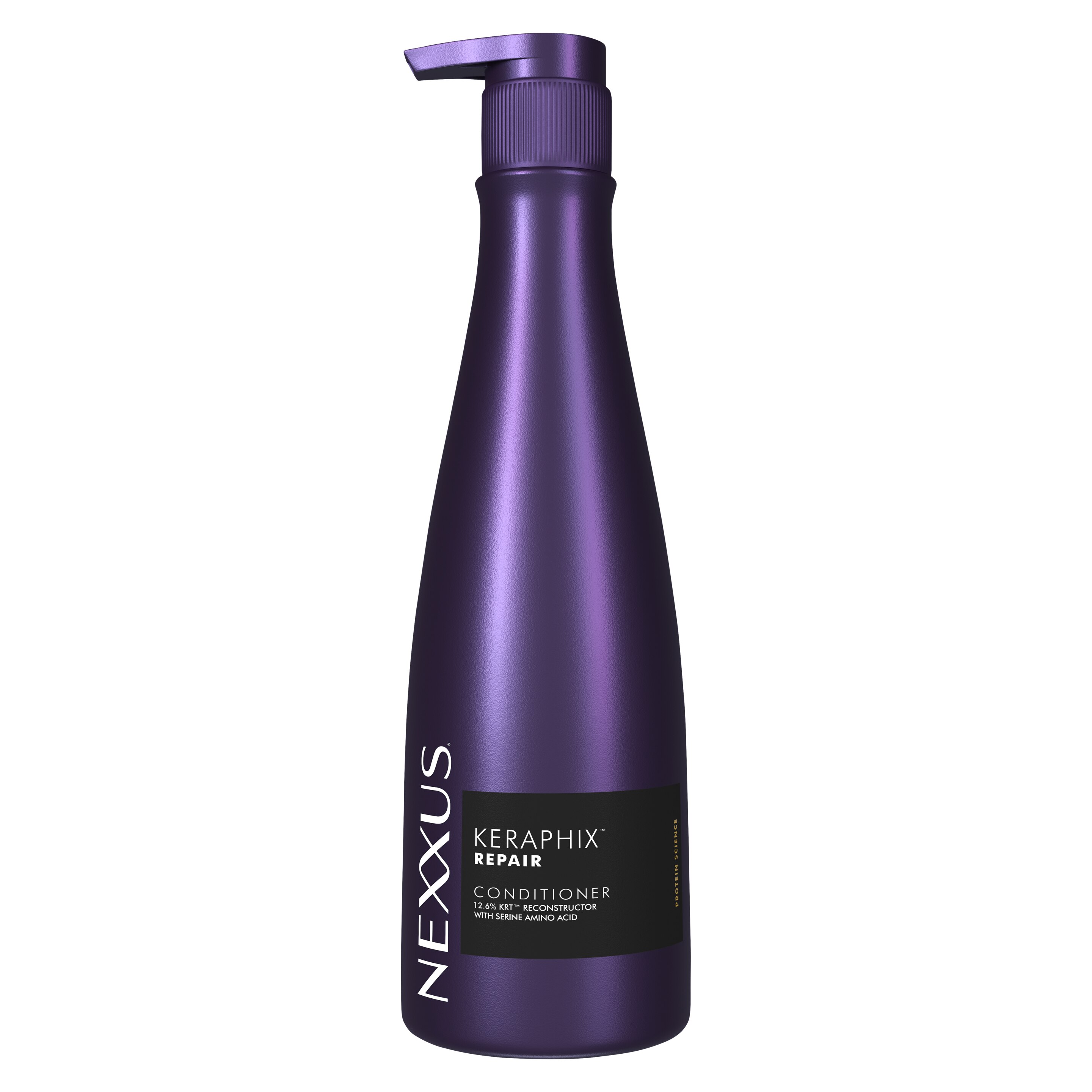
Use a repair conditioner, such as the KERAPHIX™ Damage Repair Conditioner, powered by 12.6% KRT with serine amino acid, to nourish curls, precision-target damage and provide luxurious moisture, while supporting smoother cuticles and improved manageability.
As a system, the KERAPHIX™ Damage Repair Shampoo and Conditioner delivers 24X stronger hair in 1 use (system vs. non-conditioning shampoo), while transforming hair with instant softness, smoothness and shine without the weigh-down, so curls stay flexible and defined.
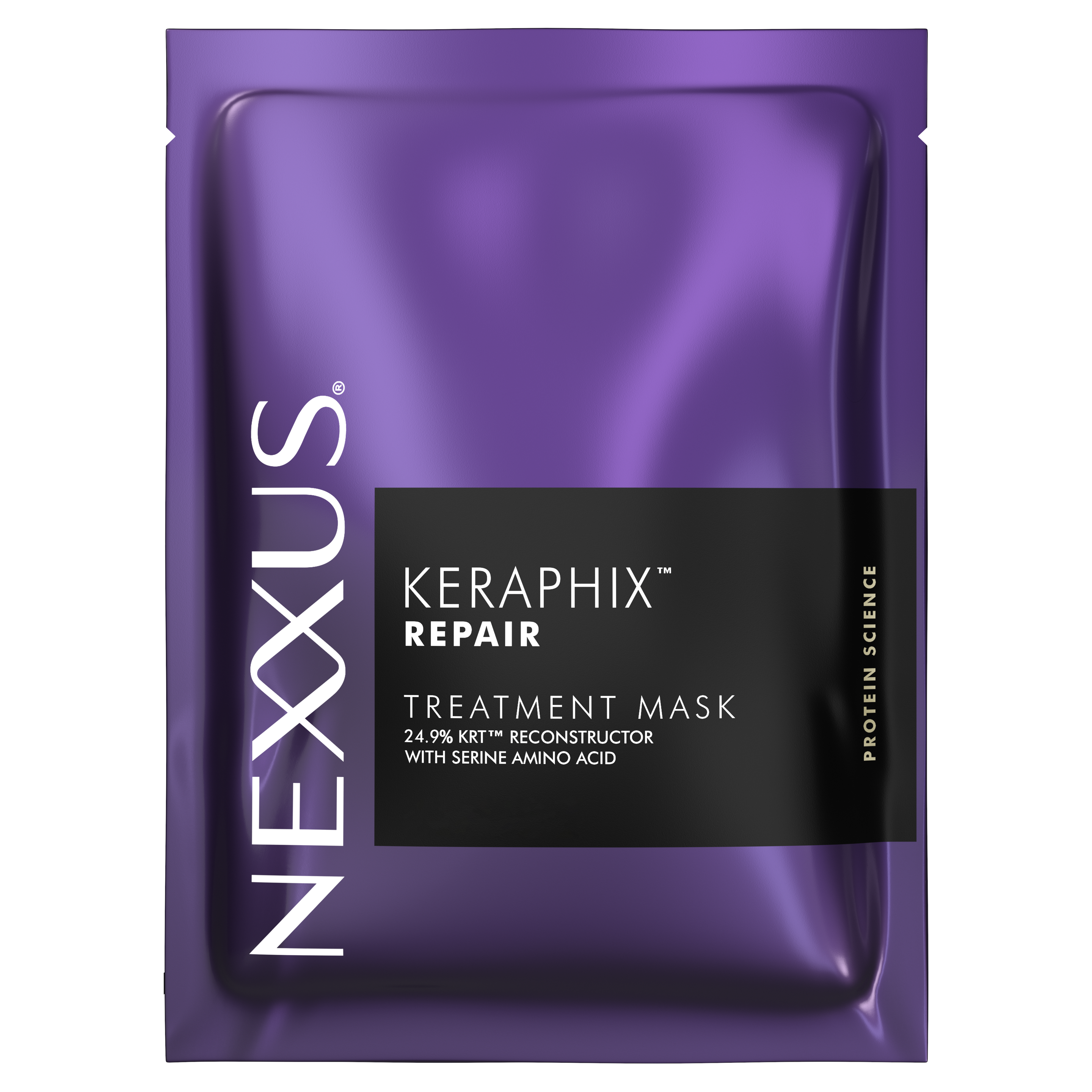
For deeper weekly recovery, the KERAPHIX™ Damage Repair Treatment Mask works by targeting roughness and brittleness both inside and outside the hair fiber. Leaving the mask on for several minutes after shampooing allows the treatment to better support elasticity, softness, and curl resilience.
Step 3: Apply Lightweight Leave-In Repair
Leave-in treatments are especially important for curls because they help maintain moisture balance between wash days while reducing friction during styling and detangling.
The KERAPHIX™ Liquid Crystallizer Reconstructive Leave-In Treatment is formulated to strengthen damaged hair while maintaining fluid movement and softness. Powered by 19.3% KRT™ technology, it delivers 34x stronger hair instantly (vs. non-conditioning shampoo), helping to repair weakened bonds from cuticle to cortex while supporting elasticity, manageability and weightless hydration.
The Nexxus team of proteomic science experts designed this highly specialized formula to be a lightweight liquid emulsion with a mix of hydrating actives, like glycerin, that increase elasticity inside the fiber, and powerful bond reconstructing liquid crystal serine amino acid. The formula was extensively tested to ensure no heavy build-up, so that curls can retain more natural bounce and definition instead of feeling coated or stiff. 93% of consumers agree that the Keraphix Liquid Crystallizer leave-in does not weigh down the hair*. The added heat protection up to 450° also helps reduce future protein loss during styling.
When used as a 3-step regimen: KERAPHIX™ Damage Repair Shampoo, Conditioner and Liquid Crytsallizer Leave-In Treatment, 90% of consumers agree hair feels noticeably healthier in 1 use, 96% say hair is instantly soft, 89% say the regimen provides all day frizz control and shine and 96% say it does not weigh hair down.*
*Based on a consumer panel study with 44 consumers when using the Keraphix Liquid Crystallizer Treatment
Step 4: Define Without Crunch or Collapse
Once repair and hydration are in place, styling should support the curl pattern rather than harden it. Flexible hold products help curls maintain shape while still allowing natural movement and softness.
Curl Define Climate Control Gel Cream combines hydration with soft hold and humidity defence. Instead of creating a crunchy cast, the formula helps curls remain defined throughout the day.
This type of lightweight styling support is especially useful for damaged curls because it helps preserve curl memory without adding dense residue that flattens them throughout the day.
Step 5: Protect Your Curl Pattern
Long-term repair depends just as much on daily habits as it does on treatments.
- Reduce friction and unnecessary stress to help preserve the progress made through bond repair and moisture support.
- Sleep on a satin or silk pillowcase, or wrap curls in a silk or satin headscarf to help reduce rough friction against raised cuticles.
- Use low-manipulation styling to minimize repeated stretching and tangling during the week.
- If diffusing, use a heat protectant and lower temperatures to help preserve internal proteins and elasticity over time.
- Have regular trims, because weakened ends can continue splitting further up the strand if left untreated, making curls feel rougher and harder to manage overall.
The Best Hair Products for Damaged Curly Hair
Repairing curls effectively usually requires more than a single product. Damaged curls tend to benefit most from a balanced system that supports cleansing, internal reconstruction, moisture retention, elasticity, and definition together, especially when the goal is to restore strength without sacrificing movement or bounce.
NEXXUS KERAPHIX™ REPAIR SYSTEM
The NEXXUS KERAPHIX™ REPAIR SYSTEM is engineered for hair weakened by heat, color, bleaching, and repeated mechanical stress. Powered by KRT™ Keratin Resistance Therapy with serine amino acid, the system helps reconstruct weakened bonds from cuticle to cortex – improving strength, softness, elasticity and manageability with each use.
Unlike heavier repair approaches that flatten curls, Keraphix™ delivers weightless moisture alongside internal reinforcement. With continued use, hair becomes up to 34x stronger (vs. non-conditioning shampoo) while remaining fluid, touchable, and easier to define.
Nexxus Creative Director, Stylist and Trichologist, Kevin Mancuso recommends Keraphix for curly hair, “As a stylist and trichologist, I’ve tried every bond builder and repair treatment out there, but nothing compares.
“It works across all types of damage and every hair texture, yet it feels so perfectly matched to each person that my clients say it’s like it was made just for them. Watching them see their hair come back to life, soft, fluid, and full of movement, is the most rewarding feeling.”
The system:
- Keraphix™ Damage Repair Shampoo
- Keraphix™ Damage Repair Conditioner
- Keraphix™ Damage Repair Treatment Mask
- Keraphix™ Liquid Crystallizer Reconstructive Leave-In Treatment
Nexxus Curl Define™ Styling Support
Repairing curls is only part of the process. Maintaining definition afterward requires styling products that support the curl pattern without creating stiffness, crunch or heavy build-up.
The Curl Define Climate Control Gel Cream was developed to help curls hold their shape while remaining soft and touchable. Powered by STYLEPROTECT™ Technology, the lightweight formula combines hydration with flexible hold to enhance definition and help protect curls against humidity for up to 72 hours.
Nexxus — The Protein Science Behind Curl Repair
90% of hair is protein. Curly hair, because of its naturally raised cuticle structure, means bonds can be broken inside the protein structure faster — making it more vulnerable to dryness, breakage and gradual loss of definition. Bond-building repair and the right balance of cuticle actives address this directly: reinforcing weakened areas inside the fiber, smoothing the cuticle, improving elasticity, strengthening moisture retention and supporting healthier curl formation overall. This is decades of proteomic science, translated into formulas that perform — precisely where curls need them most.
Protein science. Proven formulas. For powerful hair since 1979. Discover KERAPHIX™ Liquid Crystallizer Reconstructive Leave-In Treatment — repair damaged curls without the weight.
FAQs
Where can I find repair treatments that don't weigh down curls?
The best lightweight repair treatments focus on strengthening the hair internally rather than heavily coating the surface. Bond repair systems that support elasticity and moisture balance without buildup are often better suited to curls because they help maintain bounce, softness, and definition at the same time.
Which moisturizing treatments work for dry damaged curly hair?
Lightweight, protein-balanced treatments tend to work best for curls that are both dry and weakened. Water-based leave-ins, bond repair masks, and flexible styling products can help improve moisture retention and softness without flattening the curl pattern or creating excessive residue.
Why does curly hair get damaged so easily?
Curly hair naturally has a more raised cuticle structure, which makes it harder to retain moisture and easier for friction, heat, and chemical processing to weaken the strand over time. Because curls are also more dependent on elasticity and internal protein support, damage often affects definition, bounce and manageability more quickly than it does in straighter hair types.