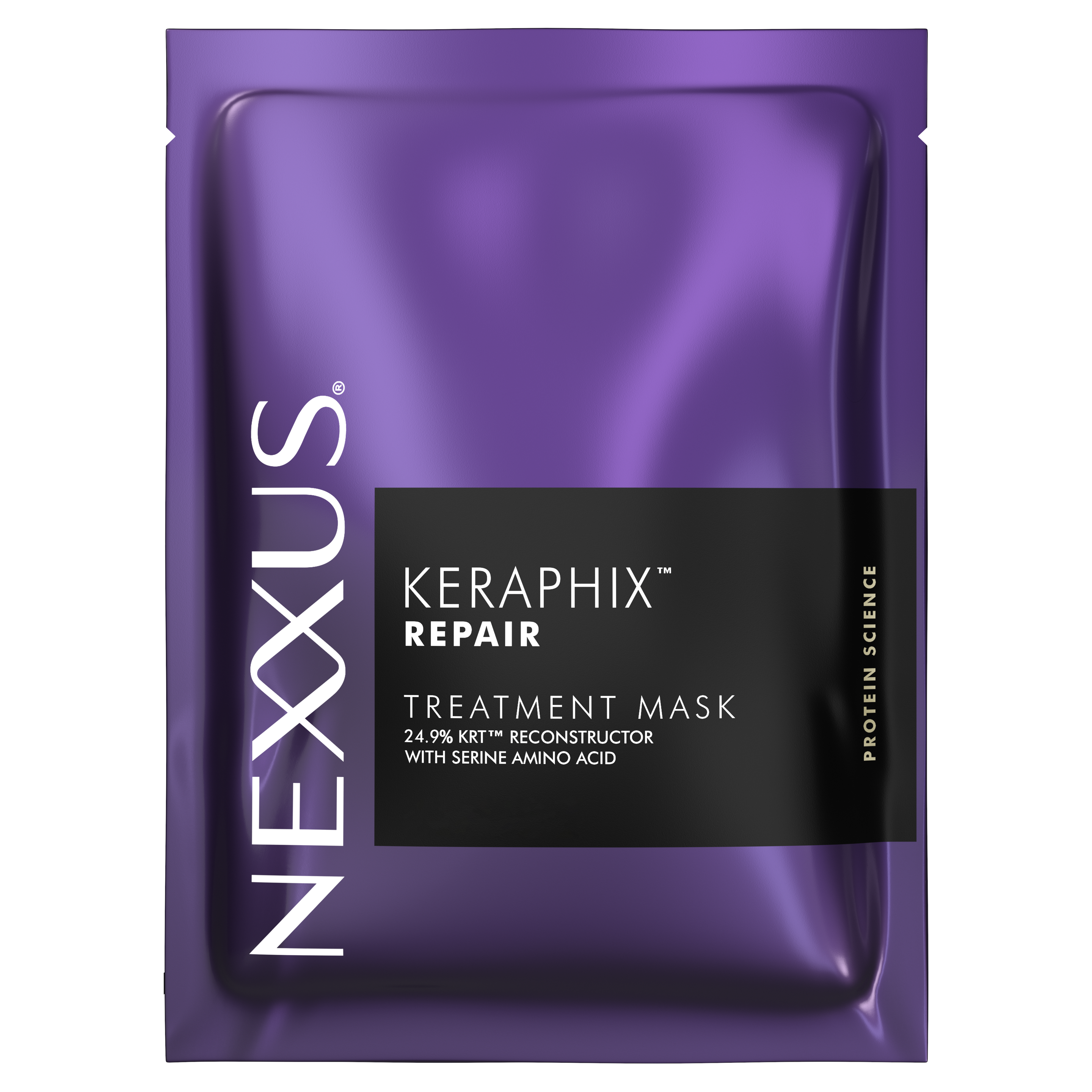
The best deep conditioning mask for damaged hair works its magic at a structural level, by rehydrating, strengthening and rebuilding what heat, chemicals and daily wear have broken down. The Nexxus Keraphix™ range and Humectress® collection is formulated to do exactly that, using our innovative protein science to help restore bonds from the cuticle to the cortex – for hair that feels stronger, smoother and more resilient.
What Causes Hair Damage?
Hair is made up of keratin, a fibrous protein built from amino acids that gives each strand its strength, elasticity and shine. When that protein structure is disrupted by chemicals, heat, friction or the environment, hair can lose its strength, resilience and shine. Understanding what's behind your damage is the first step toward choosing the ideal hair treatment for damaged hair.
Chemical Damage
Bleach, permanent color, relaxers and perms change your hair structure by breaking the disulfide bonds that hold the protein strands together. This process allows the hair to be rebuilt in a new shape or color, but it also leaves strands more porous and fragile. The more often these treatments are applied, the more that impact compounds over time, which is why it's so important to follow up with bond-rebuilding care.
At Nexxus, we apply our knowledge of proteomics — the molecular study of proteins — to understand which proteins your hair needs to look and feel its best.
Heat Damage
Heat styling tools such as blow dryers, flat irons and curling wands can make hair more prone to dryness and breakage with regular use, especially if used at high temperatures without protection. Each heat session evaporates moisture from within the hair fiber and lifts the cuticle layer, which is why hair often gradually becomes rougher to touch and duller to look at. But it's never too late to start giving your hair the extra support it needs.
Mechanical Damage
Even everyday habits like brushing, towel-drying and scooping it back into a ponytail can stress the hair fiber, contributing to frizz, breakage and split ends. Luckily, a few small tweaks, like using a gentler brush, swapping to a microfiber towel and sleeping on a silk pillowcase, can make a big difference in keeping your hair looking and feeling healthier.
Environmental Damage
Environmental factors like sun, chlorine, hard water and pollution can slowly take a toll on your hair, leading to dryness, dullness and damage. The effects often sneak up, which is why it's so important to protect your hair before you see signs of stress.
What Does Damaged Hair Look Like?
Not every bad hair day signals damage. Some signs point to dryness; others indicate structural compromise. Look out for:
- Rough or coarse texture that doesn't smooth with regular conditioner
- Split ends and visible fraying
- Increased shedding or breakage
- Excessive tangling
- Persistent dullness and lack of shine
- Hair that snaps when stretched wet rather than springing back
- Strands that don't return to their natural shape after pulling
If your hair shows several of these signs together, a targeted repair treatment is likely what it needs; not just a moisturizing conditioner.
Benefits of Deep Conditioning
Regular rinse-out conditioners and deep conditioning masks are not interchangeable.
Conditioner is designed for daily use: it smooths the cuticle surface, reduces friction and improves manageability, but its contact time is short and its ingredients aren't formulated to penetrate deeply.
A deep conditioning hair treatment uses a more concentrated formula, stays on for 3 to 20 minutes and is designed to restore at a deeper level.
How Deep Conditioning Masks Work on Damaged Hair
A protein-enriching hair repair mask helps fill structural gaps in the cuticle and reinforce the cortex, making them the right choice for hair weakened by chemical processing or heat. Moisture-rich masks work differently, binding water within the fibers in the cortex and restoring hydration, which improves flexibility and softness.
The distinction matters, because applying the wrong type of deep conditioning hair treatment consistently can actually make things worse.
Protein vs Moisture (What Your Hair Actually Needs)
Bleached or chemically processed hair almost always needs protein first. Bleach breaks the disulfide bonds in your hair's keratin structure, creating a deficit that moisture alone can't fix. Heat damage is different: it typically disrupts moisture balance before protein integrity, so hydration leads, with protein in support. Hair that's simply dry — no structural compromise — needs moisture.
Get it wrong and you'll feel it. Too much protein on brittle hair makes it rigid and snap-prone. Too much moisture on structurally weak hair leaves it limp, stretchy, and lacking resilience. To understand this in more depth, our guide to protein vs moisture breaks it down clearly, as does our piece on how hair masks differ from strengthening treatments.
Getting this right is what separates a treatment that genuinely repairs from one that just feels good in the shower.
How to Find the Best Hair Mask for Damaged Hair
The best hair mask for damaged hair depends on whether your primary concern is structural repair, moisture replenishment or ongoing protection, and, ideally, the formula you choose should be clear about which one it's doing.
What to Look For in a Deep Conditioning Mask
Look for protein repair technology. Structurally damaged hair benefits from formulas designed to reinforce the hair fiber from within. The Keraphix™ range is powered by KRT Keratin Resistance Therapy with liquid crystal serine amino acids, which works to reconstruct bonds from the cuticle to the cortex.
Look for moisture-binding ingredients. Glycerin is a humectant that draws water into the hair fiber and helps retain it, restoring softness and flexibility. It's a key ingredient in the Humectress® Hydrating Mask, which is formulated for moisture-depleted rather than structurally damaged hair.
Look for bond-supporting technology. Chemically treated or heat-damaged hair benefits from technologies that help reinforce weakened bonds over time. The KERAPHIX™ BOND REPAIR system is designed to rebuild resilience progressively with continued use.
Look for conditioning ingredients that improve manageability. Nourishing lipids and conditioning agents smooth the cuticle, reduce friction and improve shine and styling ease, without weighing hair down.
Know what to avoid. Treatment masks don't need harsh sulfates. It's also worth noting that fatty alcohols (such as cetearyl alcohol, which appears in both Nexxus masks) are conditioning ingredients, not drying ones, and are very different from the short-chain alcohols that can strip moisture.
Why Nexxus Keraphix™ Stands Out for Severe Damage
If you're looking for a hair treatment for damaged hair, Nexxus Keraphix™ Damage Repair Treatment Mask is designed to target one of the main causes of hair breakage: weakened protein bonds caused by coloring, bleaching, chemical processing and frequent heat styling.
If you've noticed common signs of damaged hair, such as roughness, brittleness or snapping, this deep conditioner combines KERATIN RESISTANCE THERAPY (KRT) with liquid crystal serine amino acids to help reconstruct bonds from the cuticle to the cortex, while humectant agents work as a moisture mask for hair by binding hydration within the hair fiber.
Hair looks visibly healthier after one use as part of the full system, with continued use helping reinforce strength and resilience.
How to Use a Hair Mask (Step by Step)
Step-by-Step Mask Application
1. Shampoo first. For best results, use the shampoo paired with your chosen mask (e.g. Keraphix™ Damage Repair Shampoo with the Keraphix™ Treatment Mask).
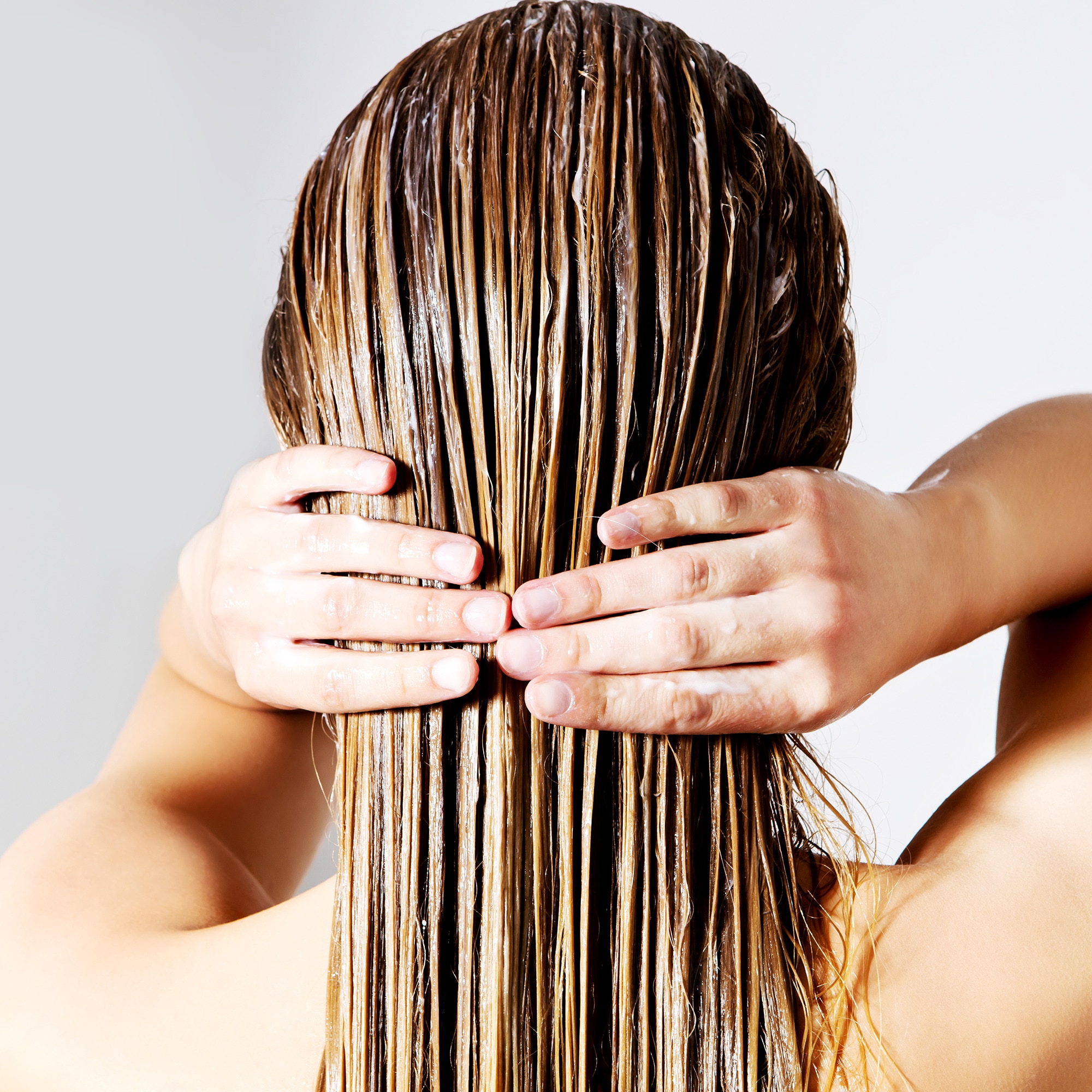
2. Gently squeeze out excess water so the mask can coat the hair evenly.
3. Apply from mid-lengths to ends, avoiding the scalp.
4. Comb through to distribute evenly.
5. Leave on for 3 to 5 minutes, following the product instructions.
6. Rinse thoroughly.
7. For additional protection and manageability, finish with the Keraphix™ Liquid Crystallizer Reconstructive Leave-In Treatment on damp or dry hair, no rinsing required.
How Often Should You Use a Deep Conditioning Mask?
The ideal frequency for deep conditioning treatments depends on your hair's current condition and your goals. If your hair is feeling especially dry or damaged, starting with once-a-week treatments can help restore moisture and resilience. If your hair is in good shape and you want to maintain that healthy feeling, every two weeks is often a good rhythm.
Can You Leave a Hair Mask on Too Long?
Longer doesn't mean better. Both the Keraphix™ Damage Repair Treatment Mask and the Humectress® Hydrating Mask are formulated to deliver their full benefits in just 3 to 5 minutes, so there's no need to leave them on for extended periods. Following the recommended time gives the formula the conditions it needs to work as intended.
How to Choose a Hair Mask (Find the Right Nexxus Mask for Your Hair Type)
For Bleach-Damaged or Chemically Processed Hair. Chemical processes break disulfide bonds and strip amino acids from within the fiber, so the repair has to happen at that same structural level. The Keraphix™ Damage Repair Treatment Mask is the right call here. Its proteomic formula works inside and outside the hair fiber to rebuild strength, restore smoothness and improve resilience with each use.
For Heat-Damaged or Mechanically Damaged Hair. How do you repair heat damaged hair that's been through months of daily styling? A leave-in treatment used consistently is often the most effective approach, because it provides both repair and ongoing protection. The Keraphix™ Liquid Crystallizer Reconstructive Leave-In Treatment reconstructs bonds from cuticle to cortex, delivers weightless hydration and provides heat protection up to 450°F.
For Dry, Dehydrated Hair (Not Structurally Damaged). If your hair is dry but not brittle or chemically compromised, the issue is moisture balance rather than structural damage. The Humectress® Intensely Hydrating Hair Mask is formulated for exactly this. Powered by POLYSOFT HYDRATOR™ technology with tri-lipids, it targets dry spots, binds moisture within the fiber and delivers hydration that lasts 72 hours.
Discover the Nexxus Keraphix™ range, designed to support severely damaged hair, with protein-rich repair that restores strength, softness and shine.
FAQs
Who Sells Deep Conditioning Masks for Severely Damaged Hair?
Nexxus offers a range of deep conditioning masks for severely damaged hair, available through Nexxus.com and major US retailers including Target, Walmart, CVS, Walgreens, and Amazon. The Nexxus Keraphix™ Damage Repair Treatment Mask is the brand's hero product for protein-led repair, while the Humectress® Hydrating Mask is designed for hair that needs intensive moisture replenishment.
What Is the Best Deep Conditioning Mask for Damaged Hair?
The best deep conditioning mask depends on the type of damage you're treating. For chemically processed, bleached or structurally damaged hair, a protein-focused formula such as the Nexxus Keraphix™ Damage Repair Treatment Mask helps strengthen weakened hair fibers. If your hair is primarily dry or dehydrated, a moisture-focused mask such as the Nexxus Humectress® Hydrating Mask is a better choice. Avoid making an absolute "best" claim; instead, recommend the right product based on the reader's hair concern.
How Do I Know If My Hair Is Damaged Enough for a Deep Mask?
If your hair feels rough, tangles easily, has split ends, snaps when stretched or looks dull despite regular conditioning, it may benefit from a deep conditioning mask. Hair that is simply dry often needs added moisture, while brittle, weak or chemically processed hair typically benefits from a more intensive repair-focused treatment.
What's the Difference Between Dry Hair and Damaged Hair?
Dry hair lacks moisture, while damaged hair has changes to its internal structure caused by factors such as coloring, bleaching, heat styling or mechanical stress. Moisture-rich masks help replenish hydration in dry hair, whereas protein-repair treatments are better suited to structurally damaged hair. Many people experience both concerns at the same time, making it important to choose a treatment that matches your hair's primary needs.