Hair mask vs hair treatment: what’s the difference?
The main distinction between a rinse-out hair mask vs a hair treatment that you leave in is what they do for your hair. A hair mask often focuses on deeply restoring moisture, going a step further than a regular hair conditioner, whereas leave-in hair treatments often work deeper, targeting internal protein structure and strength. Knowing which one to choose comes down to identifying what your hair needs: protein or moisture.
Moisture vs structural repair explained
Hair is made up of protein and daily stress gradually weakens that structure. Heat styling, brushing and chemical processing can disrupt bonds inside the hair fiber, while environmental exposure strips away moisture at the surface.
When moisture is lost, hair often feels dry, rough and harder to manage. When structure is compromised, you’ll notice increased breakage, reduced elasticity and a lack of resilience. Conditioning masks typically address surface-level dryness, while strengthening treatments focus on rebuilding what’s been lost internally.
Why the difference matters for hair health
Using the wrong solution can limit results. Hydrating formulas can improve softness, but they cannot rebuild broken bonds. Similarly, strengthening treatments can reinforce structure, but may not fully restore moisture balance on their own.
Choosing correctly helps you heal your damaged hair with treatments in a targeted way, addressing the root cause rather than just the visible symptom.
Quick comparison overview
| Moisturizing Hair Masks | Strengthening Treatments |
|---|---|
| Focus on moisture and softness | Focus on protein and bond repair |
| Work mainly on the surface layer | Work within the hair structure |
| Improve feel and manageability | Improve strength and resilience |
| Ideal for dryness and frizz | Ideal for breakage and damage |
What is a hair mask?
A rinse-out repair hair mask is a concentrated conditioning formula designed to restore hydration and smooth the hair surface. While natural oils and butters have traditionally been used for this purpose, modern formulas combine these with advanced ingredients to improve moisture retention and performance.
How hair masks work on the surface layer
Hair masks coat the outer cuticle, helping to smooth rough areas and reduce friction between strands. This improves how hair feels immediately after use and enhances light reflection for a smoother, shinier appearance.
Key benefits of hydration and softness
By replenishing moisture, masks improve flexibility at the surface level. Hair becomes easier to detangle, more manageable and less prone to frizz caused by dryness.
When to use a hair mask
Rinse-out hair masks are most effective when dryness is the primary concern. This includes hair that feels brittle, looks dull, or becomes difficult to style.
Used weekly, formulas like the Humectress® Hydrating Mask deliver targeted hydration where it’s needed most, helping restore softness and balance. Don't just slather it on tangled hair and hope for the best, though; find out how to apply a hair mask properly for best results.
What is a strengthening hair treatment?
Strengthening treatments are designed to repair the internal structure of the hair fiber. A professional hair treatment at home focuses on rebuilding protein networks and reinforcing bonds that have been weakened over time.
How protein-based treatments repair hair structure
Formulas with amino acids, the building blocks of protein, penetrate the hair fiber and help to reinforce the internal matrix. This improves strength from within, reducing breakage and supporting long-term resilience.
Leave-in treatments like the Keraphix™ Liquid Crystallizer Reconstructive Leave-In Treatment work continuously after application, helping maintain structural integrity between washes.
The role of keratin and bond support
Keratin is a key protein in hair, and treatments that support its structure help restore strength and elasticity. These formulas often combine amino acids and bond-building technologies to rebuild what has been lost, making the keratin treatment benefits easier to feel, through how your hair feels and performs.
When strengthening treatments are needed
If hair snaps easily, feels weak when wet, or struggles to hold its shape, structural repair is likely needed. In these cases, understanding how to tell if your hair needs bond-building treatment can help guide your routine.
Rinse-out hair mask vs strengthening treatment: key differences
Hydration vs repair performance
'Hydration' improves how hair feels on the surface, as it locks in moisture. 'Repair' improves how your strands perform under stress. Both are essential, but they serve different roles.
Short-term vs long-term results
Masks tend to deliver immediate softness and manageability. Strengthening treatments build results over time by reinforcing the hair’s internal structure.
Which delivers deeper structural benefits?
Only strengthening treatments address the inner protein network. Masks support surface condition, while treatments support long-term hair health.
How to choose the right treatment for your hair
Recognizing what your hair needs is the first step toward selecting the right solution.
Signs your hair needs moisture
- Dry, rough texture
- Increased frizz
- Lack of shine
- Difficulty detangling
Signs your hair needs protein or strengthening
- Frequent breakage
- Loss of elasticity
- Hair feels weak when stretched
If these signs are present, you need a hair repair treatment.
Hair type considerations (fine, curly, damaged)
Fine hair may require lightweight strengthening to avoid build-up. Curly hair often benefits from a balance of moisture and structure; chemically treated or heat-damaged hair typically needs more intensive repair. For volume-focused routines, thickening hair with actives that expand hair fibers can help support structure while maintaining natural movement.
Can you use both together?
Protein-strengthening and moisturizing treatments can be very effective when you incorporate them both into your routine, as they nourish the hair in complementary ways.
How to balance moisture and protein
To find the right balance of hydration and strengthening, combine a deep conditioning treatment at home — such as a weekly mask — to restore moisture, with a protein-based treatment to reinforce structure. The result is stronger, softer strands that look and feel healthier and more naturally shiny. You can layer on a daily leave-in like the Humectress® 20 IN 1 Leave-In Conditioner Perfector Spray to help maintain everyday hydration, manageability and protection in-between treatments.
Professional hair treatments at home
Professional-grade treatments are defined by their ability to deliver targeted results through advanced formulations. These products use precise protein-strengthening blends and technologies to mimic salon-level outcomes at home.
By combining ingredients that support bond repair and moisture balance, it’s possible to achieve these improvements without a salon visit.
Discover how a keratin treatment for hair works, or explore the science behind strengthening your hair to help inform your decisions about which treatment is best for you.
Best hair treatments for dry and damaged hair
Product selection based on hair needs
- Mild dryness: moisture — focused masks
- Moderate damage: combined hydration and strengthening
- Severe damage: targeted repair solutions
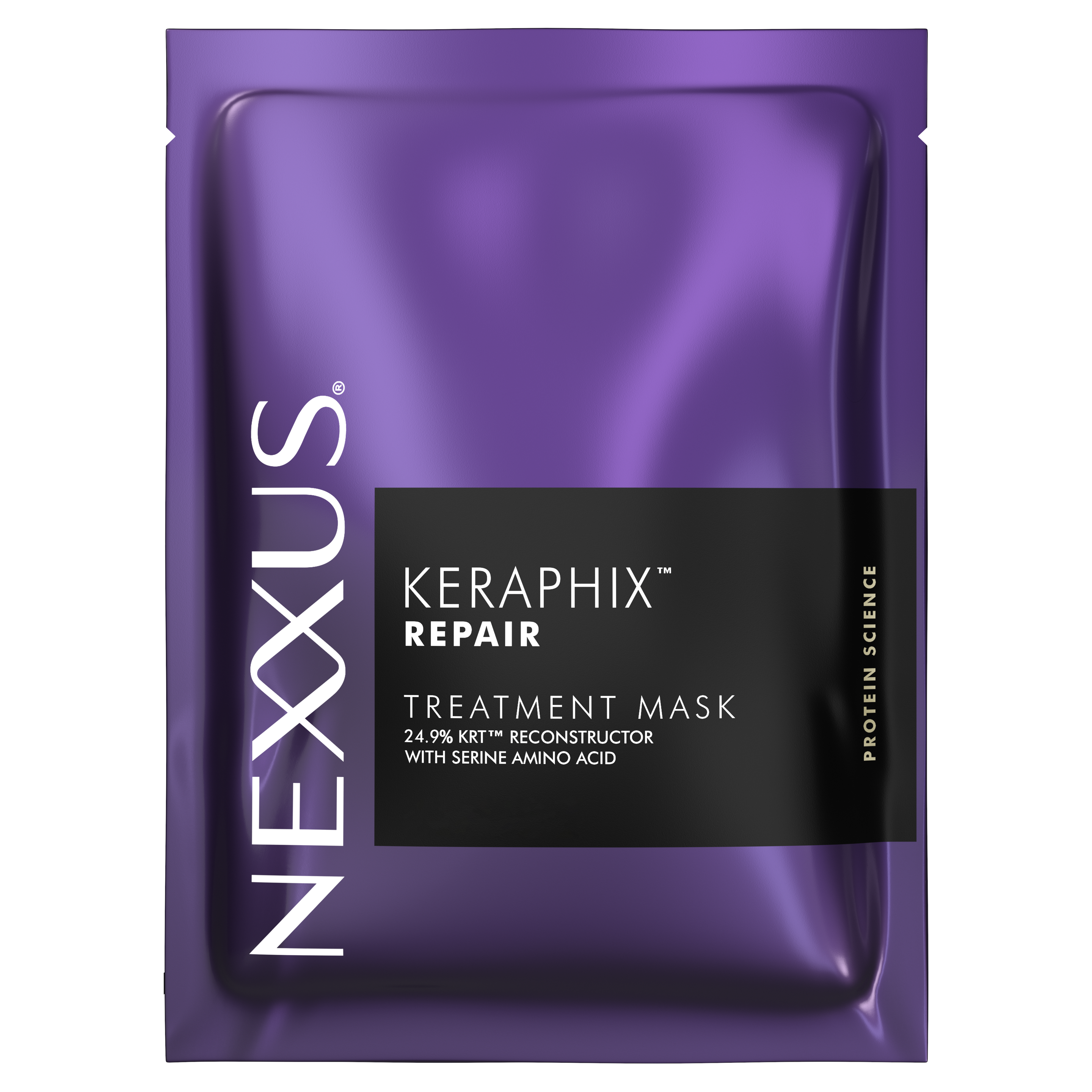
For deeper repair needs, a hair repair mask like the Keraphix™ Damage Repair Treatment Mask helps address roughness and brittleness by working both inside and outside the hair fiber.
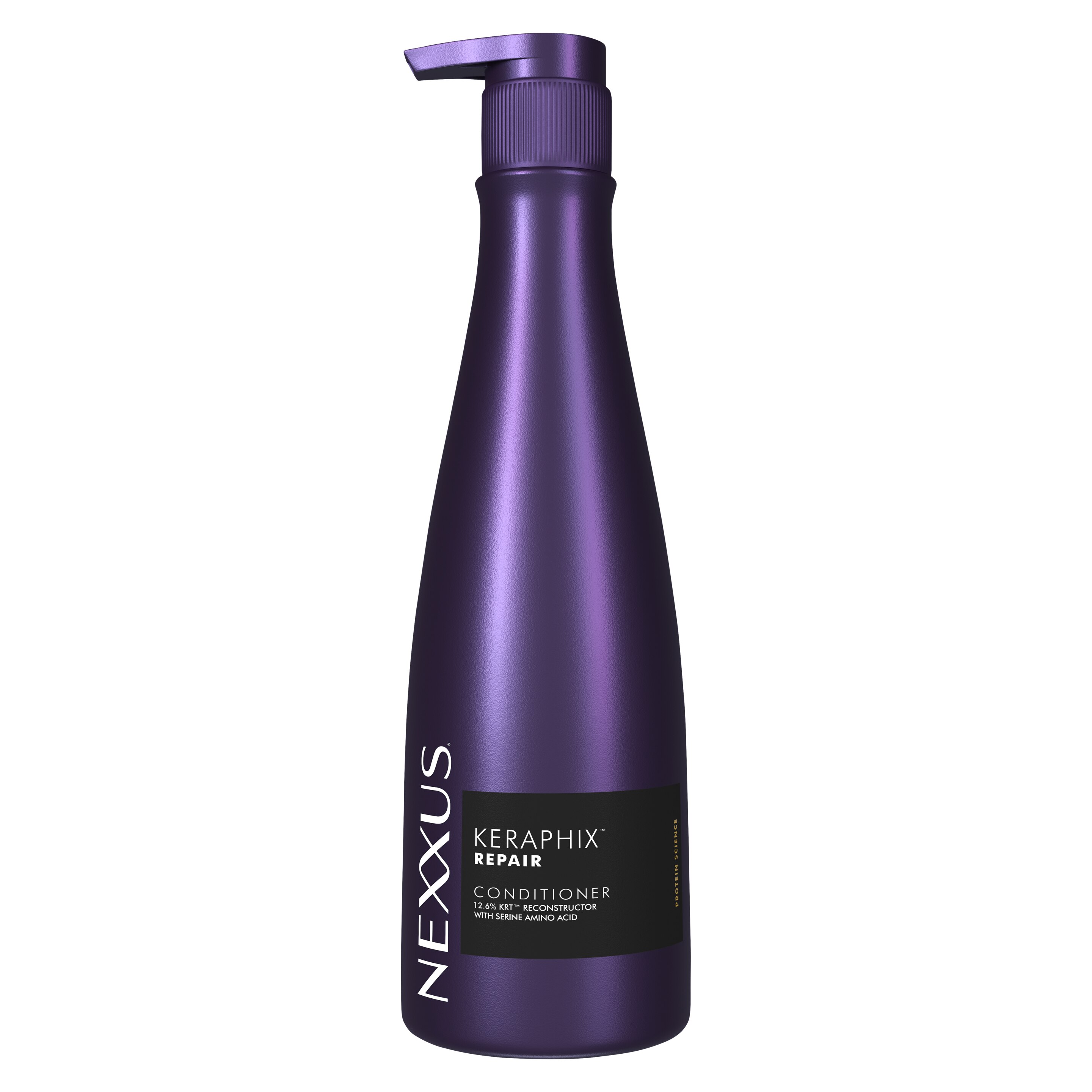
Discover how to get glossy, glass-like hair with keratin-powered care using the Nexxus Keraphix™ hair repair system.
FAQs
Is a hair mask the same as a hair treatment?
No. A rinse-out hair mask focuses on restoring moisture at the surface level, while a strengthening hair treatment targets the internal structure of the hair, helping rebuild strength and improve resilience.
How do I know if my hair needs protein or moisture?
Dry, frizzy hair usually needs moisture, while hair that breaks easily or lacks elasticity typically needs protein. Observing how your hair behaves when gently stretched can help guide your choice.
Can I use a hair mask and treatment together?
Yes. Using both in your routine can support balanced hair health. A conditioning mask restores softness, while a strengthening treatment reinforces structure, helping hair look and feel healthier over time.