

A good conditioner for colored hair does a whole lot more than leaving your strands soft to the touch. The right formula helps smooth and seal the cuticle, reducing the friction and porosity that let color rinse away, helping your shade stay vibrant for longer.
Your ideal match comes down to what your hair needs right now: help holding onto fresh color, weightless care after repeat appointments or richer support after bleaching. Once you understand the difference, choosing the right conditioner becomes much easier.
How to identify the right conditioner for color-treated hair
A true color protecting conditioner does two jobs: it improves softness and manageability now, while also helping to limit how much color escape over time. The trick lies in looking beyond a generic moisturizing label for cuticle-smoothing care and color-fade claims tested on the complete wash-and-condition system.
What makes a conditioner “color-safe”
Conditioners do not rely on the cleansing surfactants found in shampoos. “A shampoo’s main job is to cleanse and prep while conditioners’ main job is to deliver technologies that help smooth the cuticle,” explains Leah Fellows, Associate Scientist at NEXXUS®.
A well-designed formula uses conditioning and acidifying ingredients to smooth the cuticle, reduce friction and support shine.
Not the same thing: A color-protecting formula preserves your existing shade; a color depositing conditioner, on the other hand, adds temporary pigment to refresh or alter its tone. These are two completely different products.
What the F-layer does for untreated hair
The F-layer is the hair fiber’s outermost lipid barrier. Its single-molecule-thick layer of 18-MEA acts a little like a natural raincoat, helping the cuticle repel water and protect the structure beneath it. When this layer is intact, the overlapping cuticle scales lie more smoothly, supporting softness, shine and moisture retention.
How chemical color processes strip it away
Chemical dyes and bleach can remove 18-MEA, disrupt bonds and damage both the cuticle and cortex. Without that lipid protection, the surface becomes more porous,and the internal structure is left more exposed. This helps explain why hair may feel noticeably rougher after repeated coloring or a major lightening treatment.
Why this matters for moisture and shine
A compromised barrier cannot retain moisture and lipids as effectively. Water moves through the fiber more readily, and color molecules have an easier route out. The result: your shade loses radiance while your hair starts to feel drier, look duller and tangle more easily.
How to choose the right color-safe conditioner for your hair type
The best conditioner for color treated hair is the one that answers your most pressing concern, whether that is fading, cumulative damage or the aftereffects of bleaching.
For preserving color vibrancy
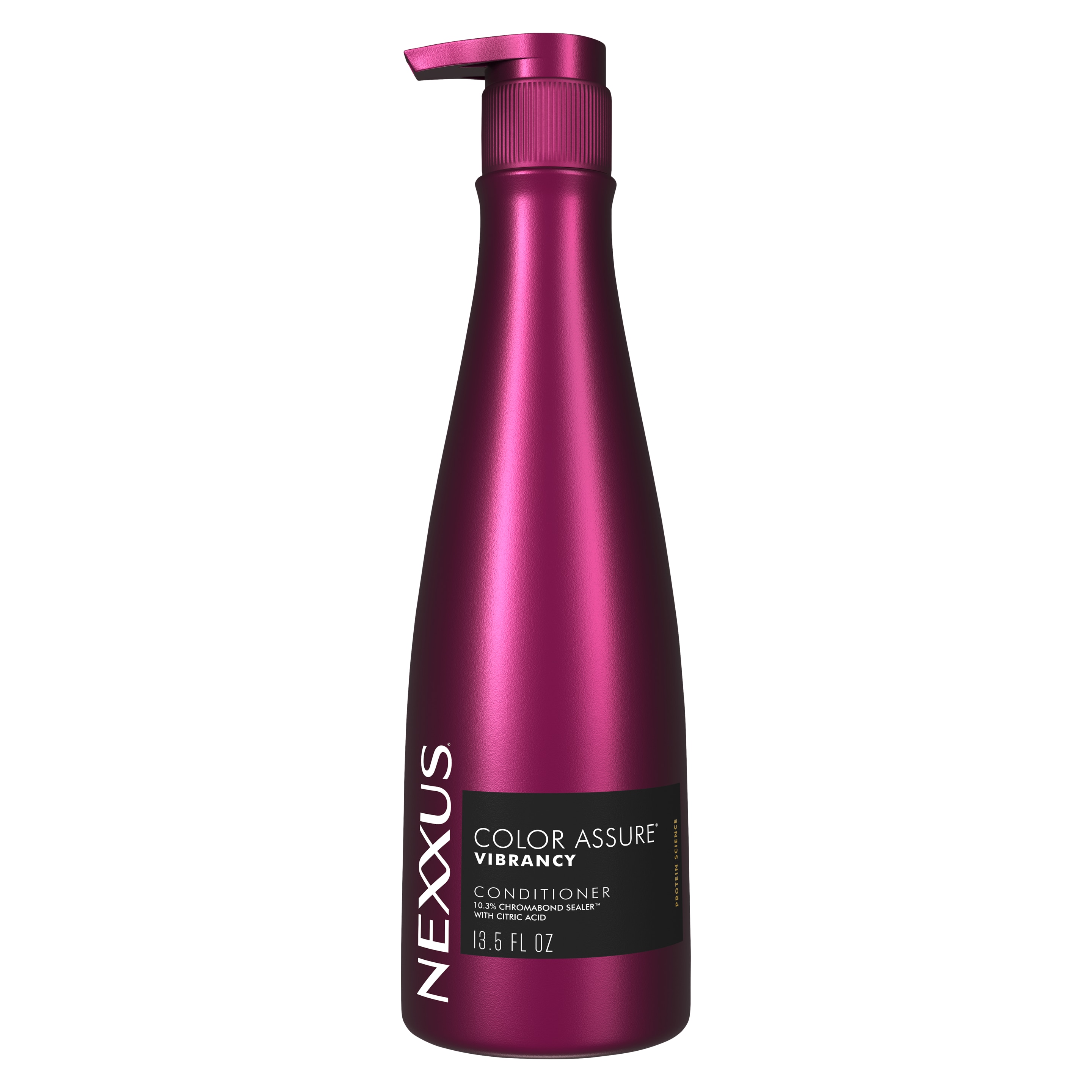
Pair a NEXXUS® Color Assure® Vibrancy Conditioner with its matching shampoo for a color safe shampoo and conditioner routine. Powered by 10.3% CHROMABOND SEALER™, the system seals the cuticle, adds shine and protects against color fade for up to 40 washes.
For hair weakened by repeated coloring
Choose NEXXUS® Amino Bond™ Repair Conditioner when regular color appointments have left hair feeling less resilient. Its 12.5% HYDROLINK BONDER™ technology with Amino5 helps rebuild broken bonds while nourishing hair without weighing it down. Use it with Amino Bond™ Shampoo for complete care.
For bleached, highlighted or severely damaged hair
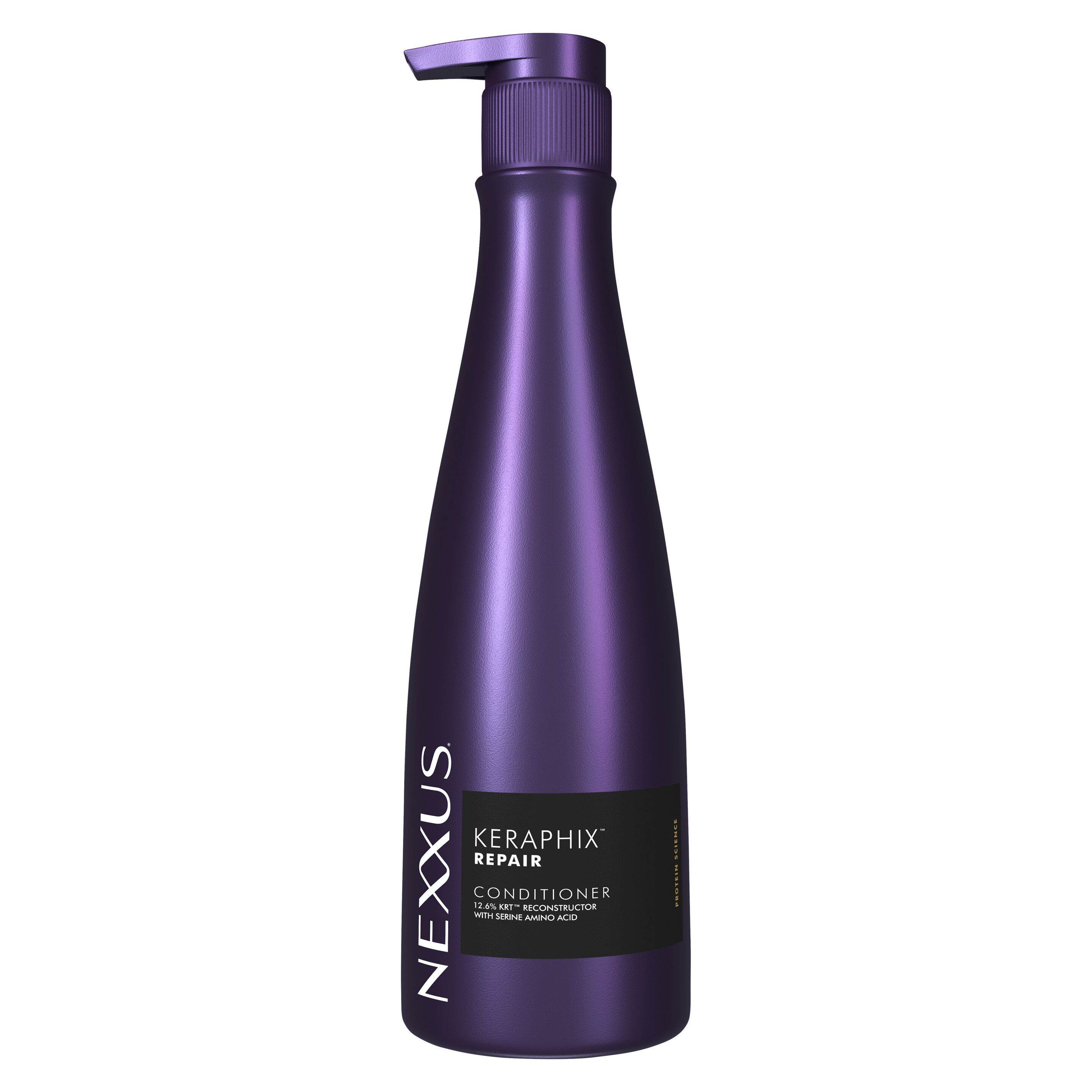
NEXXUS® Keraphix™ Damage Repair Conditioner is an intensive conditioner for highlights, bleaching and serious damage. Its 12.6% KRT Keratin Resistance Therapy helps reconstruct bonds from cuticle to cortex. Used as a system, the regimen delivers 24X stronger hair.*
Choose according to what your hair needs most today, then use the matching NEXXUS® shampoo for the performance it was designed to deliver.
*System with conditioner vs. non-conditioning shampoo.
Protecting color from UV exposure, chlorine and hard water
How the environment affects colored hair
Not all fading happens in the shower. UV exposure can affect color vibrancy, while chlorine and hard-water minerals can collect on the fiber and leave your shade looking dull. Because damaged hair can take up more metals than untreated hair, porous, lightened strands may need especially thoughtful care.
Build simple color protection into your routine
Simple habits can make a big difference. Wear a hat in strong sunlight. Wet your hair with clean water before swimming and rinse it promptly afterward. If mineral or product buildup leaves your hair feeling heavy, use a clarifying shampoo for colored hair only as needed, then condition.
Find more practical ways to treat colored hair at home.
A scientist-approved routine for post-color care
Color care works best when conditioning is consistent, then adjusted whenever your hair asks for a little more.
“Conditioner should be used at every wash on dyed hair because it helps smooth and seal the cuticle, reducing friction and helping limit color loss. A deeper color-protecting treatment can be used as needed based on personal preference, hair condition and how much extra care the hair needs,” explains Fellows.
Reach for a color-safe deep conditioner when your hair's been through more than usual — after a fresh lightening service, a run of sunny pool days or a stretch of frequent heat styling. Our guide to choosing a deep conditioning mask for damaged hair can help you find the right level of care.
Preserve your salon investment with NEXXUS® conditioners built for color-treated hair, whether you need daily color protection or deeper repair. Explore the full range to match your hair's exact needs.
FAQs
How do I select a conditioner for color-treated hair?
To select a conditioner for color-treated hair, identify the concern you most want to address. Choose NEXXUS® Color Assure® Vibrancy Conditioner when fading is the priority, Amino Bond™ Repair Conditioner when repeated coloring has combined with heat or mechanical damage, and Keraphix™ Damage Repair Conditioner for severely compromised bleached or highlighted hair. Use your chosen conditioner with its corresponding NEXXUS® shampoo to get the full system benefit.
What is the difference between a standard conditioner and a color-protecting conditioner?
The difference between a standard conditioner and a color-protecting conditioner is the latter’s focus on preserving dyed hair as it conditions. A color-protecting formula helps smooth and seal the cuticle, reduce friction, support moisture balance and limit the pathways through which color can escape. Its fade-protection claims should also be specifically tested, often as part of a complete system.
Will a color-safe conditioner weigh down fine or thin hair?
A color-safe conditioner will not necessarily weigh down fine or thin hair. Weight depends on the complete formula and the type and level of conditioning ingredients, not the color-protecting benefit alone. Apply conditioner evenly through wet lengths and ends, using only as much as your hair needs. A well-balanced formula can smooth the cuticle and reduce friction while preserving natural movement.
Where can I buy NEXXUS® color-protecting conditioners?
You can buy NEXXUS® color-protecting conditioners through the product pages linked in this guide and from authorized retailers that stock NEXXUS® products in the United States. Or find a store near you here. To get the full intended system benefit, pair the conditioner with the corresponding NEXXUS® shampoo.
How often should I use a color-protecting mask on dyed hair?
Use a color-protecting mask on dyed hair whenever it needs more care than your regular conditioner provides. Continue conditioning at every wash, then add a deeper treatment when hair feels unusually dry, rough, tangled or less manageable after coloring or heat styling. The right frequency depends on your hair’s condition, wash schedule and chemical-treatment history rather than a fixed rule.
Featured Products


- slide 1
- slide 2
- slide 3
- slide 4
Related Articles



- slide 1
- slide 2
- slide 3
- slide 4