

If the short hairs in your brush or shower drain have no white bulb at the root, you are likely seeing breakage rather than shedding. When this happens, it’s time to get curious. Breakage can happen for many reasons, and each might need something different to make it stop.
“At a protein level, breakage happens when the hair keratin network becomes too weakened to withstand tension,” explains Amy VanVelsor, Senior Scientist at NEXXUS®.
“Damage can disrupt the bonds and interactions that hold keratin fibers together, making the strand more porous, less flexible and easier to fracture. When brushing, styling or detangling applies stress, the weakened protein structure can split or snap instead of stretching and recovering.”
Your hair type might also affect how breakage-prone you are. “Fine or thin hair can be more prone to breakage because each fiber has less overall diameter and a smaller cortex, which is the part of the hair that provides most of its strength,” VanVelsor says. “That means there is less structural material to withstand brushing, styling or chemical stress.”
Understanding what's happening at the fiber level is the first step. The next is knowing which products actually help. Here’s what you need to know so you can choose your go-to anti-breakage haircare system with confidence.
What is an anti-breakage shampoo?
How anti-breakage formulas work
An anti-breakage shampoo supports the hair on many fronts.
“A well-formulated strengthening shampoo can help reduce breakage by delivering targeted technologies that interact with the hair fiber, including ingredients that can penetrate into the cortex to help reinforce internal strength,” VanVelsor explains.
“At the same time, it can help smooth the cuticle and reduce friction during washing, so fragile hair is less likely to snap from everyday brushing, styling and handling."
Think of it as support from the inside out. Lightweight conditioning ingredients smooth the cuticle so strands glide past one another with less friction, while technologies that support internal strength and bonds help hair stay flexible under tension.
Strengthening ingredients that signal quality
At NEXXUS®, we use proteomic research to understand what different types of damaged hair need at every level of the fiber. We leverage lower-molecular-weight ingredients that are small enough to travel into the cortex, where they work to support weakened protein structures. Then we pair that with larger conditioning actives that stay closer to the surface, helping reinforce and smooth the cuticle.
The science of wet hair damage
Why wet hair is extra fragile
Water changes how a strand of hair behaves.
“Wet hair snaps more easily because water swells the fiber, slightly lifts the cuticle and temporarily weakens some internal bonds,” explains VanVelsor. “This makes hair more elastic but also more vulnerable to overstretching and breakage during brushing, detangling or towel-drying, especially if it is already damaged or chemically treated.”
That's why how you handle wet hair also makes a real difference to how much breakage you see.
Mechanical stress points in the wash routine
Wash-day technique matters because each of these habits adds friction or tension when hair is at its most stretch-prone:
- A vigorous scalp massage
- Using a fine-tooth comb or brush on wet tangles
- Wrapping wet hair too snugly in a towel
- Towel drying strands with a rough back-and-forth motion
Instead, treat wet hair with a lighter hand throughout your routine: at the scalp, through the lengths and with every tangle. These small changes can help prevent hair breakage.
Environmental and chemical contributors
Bleach, color, heat, chlorine and UV exposure can weaken the cuticle before wash day even begins. Hard-water minerals and product buildup may also roughen the surface, adding to what causes hair breakage during cleansing and detangling.
Select the best strengthening shampoo for fragile hair
For fine, fragile hair
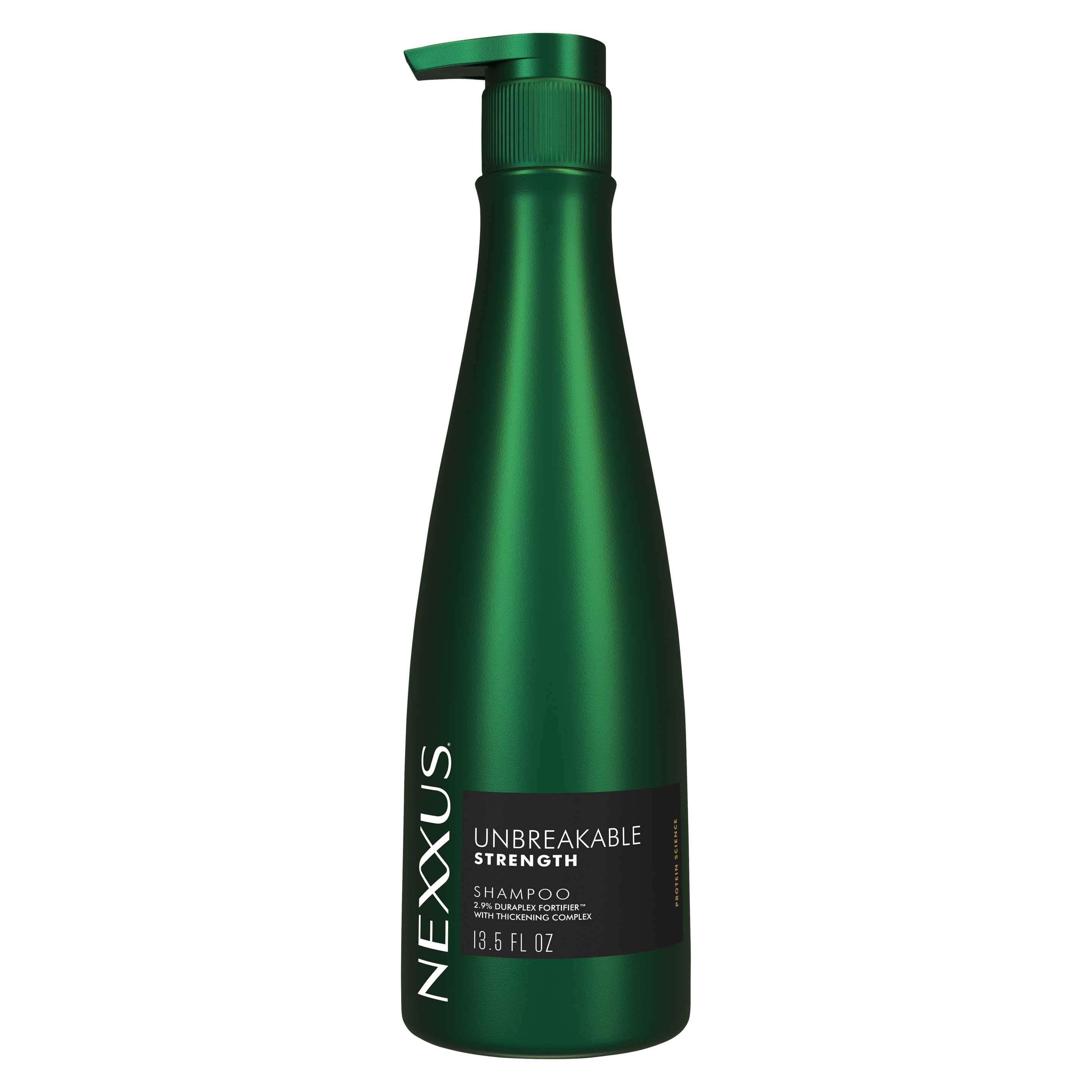
When choosing a shampoo for fragile hair, look for weightless support. The NEXXUS® Unbreakable Strength Shampoo is one of our best strengthening shampoos for fragile strands. Powered by 2.9% DURAPLEX FORTIFIER™ technology, it supports internal strength and cuticle protection.
Used as a system along with the Unbreakable Conditioner, the range reduces hair fall caused by breakage by 97% versus a non-conditioning shampoo.
For color-treated fragile hair
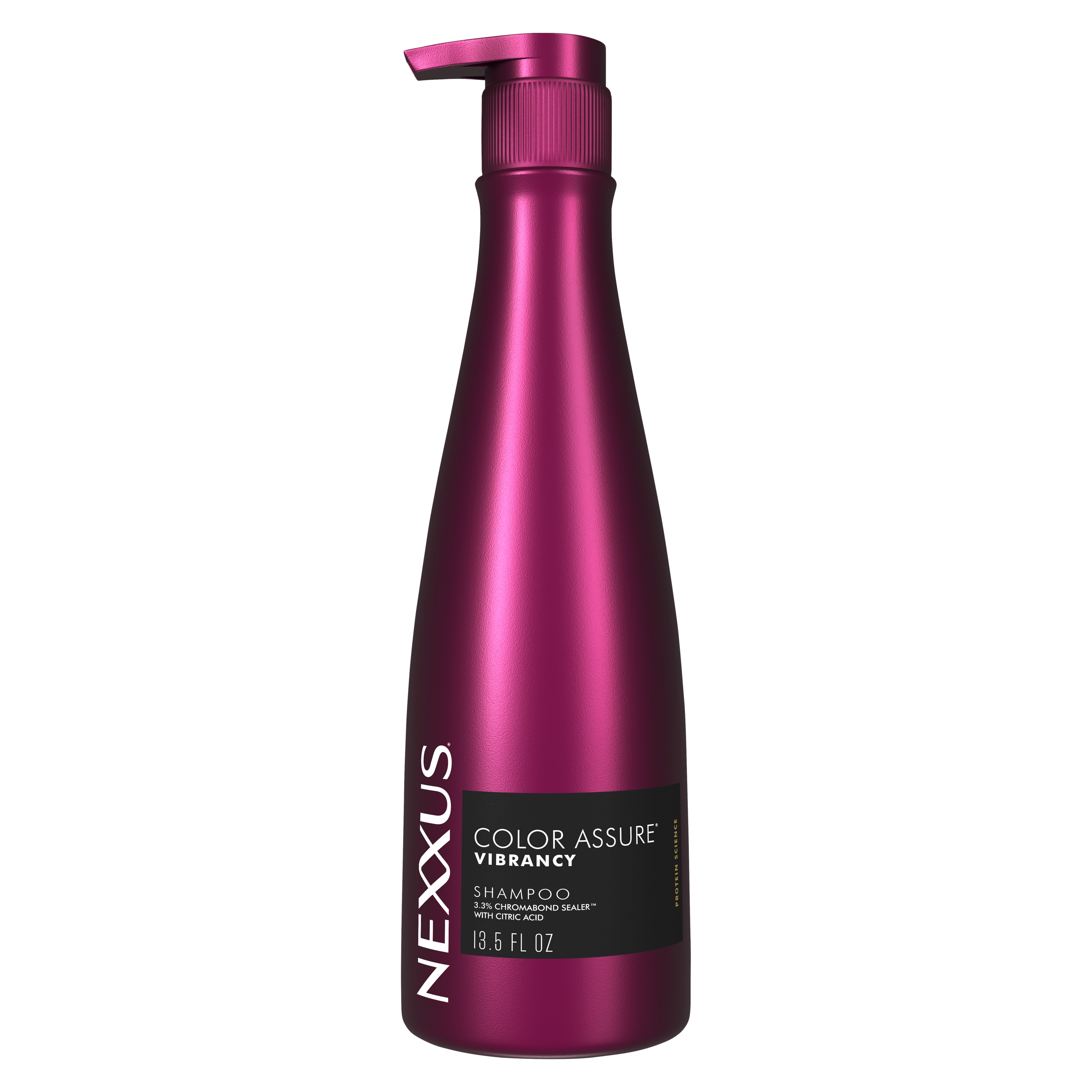
Coloring can affect the cuticle, bonds, and moisture balance. NEXXUS® Color Assure® Vibrancy Shampoo uses 3.3% CHROMABOND SEALER™ technology to support color-damaged hair. Follow with COLOR ASSURE® Conditioner. Together, the system protects vibrancy for up to 40 washes.
For chemically or heat-damaged fragile hair
NEXXUS® Amino Bond™ Repair Shampoo uses HYDROLINK BONDER™ technology to address five forms of damage, including chemical and thermal stress. For more visibly compromised strands, NEXXUS® Keraphix™ Damage Repair Shampoo supports bonds from cuticle to cortex. Its complete system delivers hair that is 24 times stronger than with a non-conditioning shampoo.
When moisture balance is the real need
Dry hair has often lost protective surface lipids, leaving it rough, porous and more likely to tangle. Choose NEXXUS® Therappe® Moisture Shampoo when persistent dryness and difficult detangling are increasing mechanical stress. For oily roots paired with dry ends, NEXXUS® Hydralight™ Hydrating Shampoo provides hydration without weighing down delicate strands. Follow the shampoo of your choice with its corresponding conditioner.
Explore more ingredients that help stop hair breakage, and remember that the concentration, delivery system, and supporting formula always shape the final benefit.
Stronger hair starts with understanding what your strands need. Match your haircare system to the source of the breakage and stronger hair will follow.
FAQs
What are the top shampoos for reducing breakage?
The top shampoos for reducing breakage are those matched to the source of your fragility. Choose NEXXUS® Unbreakable Strength Shampoo for fine, breakage-prone hair, Amino Bond™ Repair Shampoo to target broken bonds from chemical or color services, or Keraphix™ Damage Repair Shampoo for hair affected by heat, bleaching and repeated processing. If you are searching for the best shampoo for hair loss and breakage, first confirm that the hair fall is caused by snapping rather than shedding from the root.
Can a shampoo actually strengthen hair and reduce breakage?
Yes. A well-formulated strengthening shampoo can help reduce breakage by delivering targeted technologies that interact with the hair fiber, including ingredients that can penetrate into the cortex to help reinforce internal strength. At the same time, it can help smooth the cuticle and reduce friction during washing, so fragile hair is less likely to snap from everyday brushing, styling, and handling.
What is the difference between a moisturizing shampoo and an anti-breakage shampoo?
The difference between a moisturizing shampoo and an anti-breakage shampoo lies in the hair need each one prioritizes. Moisturizing formulas support lipid and moisture balance, improving softness, flexibility and detangling. Anti-breakage formulas focus more directly on restoring the internal strength of the hair. Dry, brittle hair may benefit from moisture care, while structurally damaged hair may need targeted strengthening.
Where can I buy NEXXUS® anti-breakage hair care?
You can buy NEXXUS® anti-breakage hair care through the product pages linked in this guide and from authorized retailers that stock NEXXUS® in the United States. Check the relevant product page for the latest purchasing options and availability. For the intended system benefit, pair your chosen shampoo with the corresponding NEXXUS® conditioner and recommended treatments.
How long does it take for an anti-breakage shampoo to show results?
An anti-breakage shampoo can deliver noticeable improvements in smoothness, softness, or manageability after the first use. Reduced breakage depends on the formula, your starting level of damage, consistent use and whether you use the complete system. Gentle detangling, lower heat and less friction will also help protect the progress you make.
Featured Products



- slide 1
- slide 2
- slide 3
- slide 4
- slide 5
Related Articles

- slide 1
- slide 2
- slide 3
- slide 4